
Background Image:

Rediscover Your Joy of Living and Overcome Depression – Effective Neurofeedback
Background Image:
Regain Your Drive and Joy of Living Despite Depression
Background Image:

Find Energy for Yourself and Your Family After Depression
Background Image:

Overcome Burnout and Rediscover Your Professional Passion
What Is Depression?
Depression is a mental illness characterized by a loss of pleasure and a persistently sad mood lasting several weeks, nearly every day. It’s not just temporary sadness or a lack of motivation—it’s a brain dysfunction that deeply affects daily life.
Main symptoms include:
- Intense sadness and frequent crying.
- Loss of interest or pleasure in almost all activities (work, social, or family).
- Persistent fatigue and lack of energy.
- Sleep issues (insomnia or hypersomnia).
- Appetite changes (increase or decrease, with weight variation).
- Trouble concentrating, remembering, or making decisions.
- Excessive guilt or low self-esteem.
- Negative thoughts, pessimism, and sometimes suicidal ideation.
Who Is Affected?
Main Image:

Depression can affect anyone—regardless of age, gender, or social status. In Canada, about 1 in 5 people experience a mental illness each year. Around 14% of Canadians will face major depressive disorder at some point in their life. Depressive disorders make up 65% of mental health issues in Quebec, affecting about 581,000 people. Symptoms can impact personal, academic, professional, and family life—sometimes leading to social isolation and an inability to fulfill daily responsibilities.
It’s good to know That Depression is not a personal weakness. It’s a serious medical condition that can be effectively treated. The earlier you seek help, the better your chances of recovery.
Regain Your Vitality Through Neurofeedback
Whether you feel unmotivated, exhausted, or burned out, depression can make every day feel heavier, draining your energy and joy. This brain dysfunction can be effectively addressed.
Proven Benefits of Neurofeedback:
- Improves mood and sense of well-being.
- Increases motivation and interest in activities.
- Reduces fatigue and boosts energy.
- Enhances emotional regulation and reduces negative thinking.
- Supports restorative sleep and better concentration.

Depression: A Daily Weight
Do you often feel overwhelmed by sadness, easily discouraged, or constantly struggling with fatigue? Depression affects people of all ages and backgrounds, impacting personal, social, and professional life in different ways.
Marc, 35, doesn’t understand why getting out of bed feels so difficult or why he no longer enjoys his favorite activities. At the same time, Julie, 42, struggles to stay focused at work and regain her motivation.

Rediscover Motivation and Drive After Depression
Losing interest and motivation can turn every task into an overwhelming challenge, leaving you feeling empty and weighed down. It’s not laziness—it’s a common symptom of depression that can affect your ability to enjoy life.
Sophie, 38, once passionate about her hobbies, now feels apathetic and unable to find energy or joy in new activities. Her days are marked by sadness and fatigue.

Overcome Exhaustion and Regain Professional Energy
Burnout is closely linked to depression. It often shows up as extreme fatigue, loss of focus, and a sense of inefficiency—even in tasks you used to master easily. These professional struggles can reflect a brain imbalance that neurofeedback helps correct.
Antoine, 45, once a high-performing executive, now feels completely drained. He struggles to focus during meetings, falls behind on tasks, and feels guilty and inadequate about his performance.

Regain Energy and Calm in Your Role as a Parent
Parenting is demanding, and depression can turn it into a source of profound exhaustion, sadness, and guilt—preventing you from thoroughly enjoying time with your children. That feeling of not being “good enough” is not a weakness, but a symptom that can be treated.
Caroline, a mother of two young children, feels constantly tired and sad. Her children’s laughter feels distant, and the activities she once loved sharing with them have become chores. She feels guilty about her lack of energy and patience.

Common Symptoms of Depression
Neurofeedback offers a proven and practical approach that helps regulate mood, reduce fatigue, and enhance quality of life by targeting underlying brain dysfunctions.

- Intense sadness or daily loss of pleasure.
- Persistent fatigue and low energy.
- Difficulty concentrating or remembering things.
- Sleep problems (insomnia or hypersomnia).
Image Position: Left | Icon: Heart
Common Symptoms in Adults Lacking Motivation
Neurofeedback is a non-invasive method that trains your brain to better regulate activity—especially in areas linked to positive emotions—helping you regain motivation, energy, and well-being.
- Loss of interest or pleasure in nearly all activities.
- Persistent fatigue and low energy.
- Difficulty making decisions or focusing.
- Feelings of pessimism or hopelessness about the future.
- Guilt or a sense of worthlessness.
Image Position: Left | Icon: Heart
Common Symptoms of Work-Related Burnout with Depression
Neurofeedback helps regulate mood, reduce mental stress, and optimize left frontal lobe activity to generate positive emotions, helping you regain focus, energy, and fulfillment at work.
- Intense fatigue and lack of energy.
- Difficulty concentrating on work tasks.
- Loss of interest or pleasure in professional duties.
- Increased irritability and stress management problems.
- Feelings of guilt or low self-worth are tied to performance.
Image Position: Left | Icon: Heart
Common Symptoms Among Parents Exhausted by Depression
Neurofeedback helps regulate brain activity to improve mood and energy while reducing fatigue and stress. It can offer renewed hope—helping you restore calm to your family life and reconnect with the joy of being a parent.
- Overwhelming fatigue and lack of energy for family activities.
- Persistent sadness and frequent crying.
- Loss of interest in playing or interacting with children.
- Excessive guilt or low self-esteem as a parent.
- Sleep problems that worsen fatigue.
Image Position: Left | Icon: Heart
How It Helps with Depression
Neurofeedback is a practical, non-invasive, and painless approach that trains your brain to self-regulate more efficiently. Instead of merely masking symptoms, it helps optimize your brain’s electrical functioning by specifically targeting imbalances associated with depression.
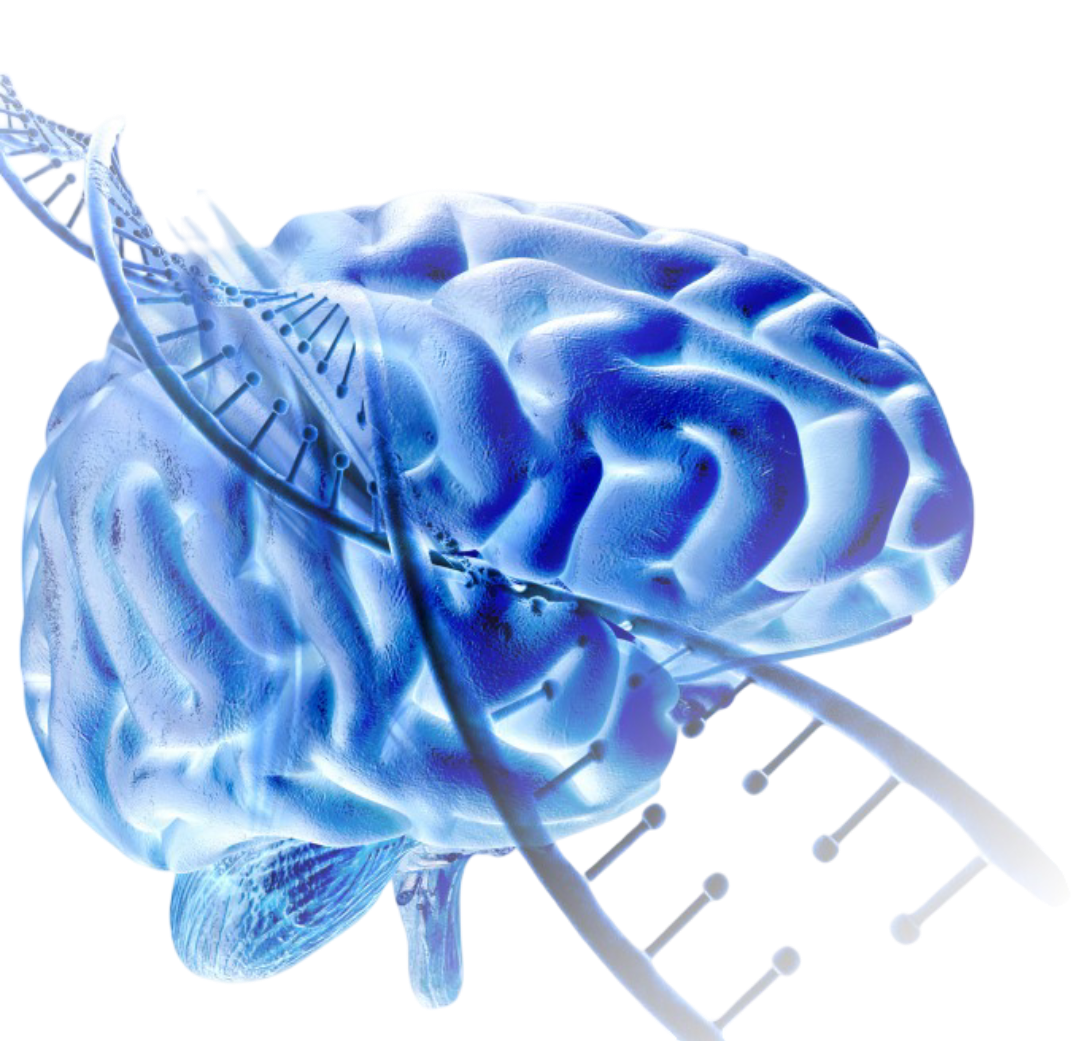
We start with a thorough clinical evaluation and a detailed questionnaire to understand your challenges. A quantitative EEG (qEEG) is then conducted to map your brain’s electrical activity and identify the exact regions to train, such as the underactivation of the left frontal lobe.
Based on these results, a qualified psychologist designs a customized training program tailored to your brain profile and your goals for restoring a positive mindset.
You’ll typically complete 12 sessions of 50 minutes each, guided by a neurofeedback trainer. Using our advanced equipment, we train your frontal lobes simultaneously (to activate the left frontal lobe, which generates positive emotions) and strengthen its communication with other brain regions. You learn to regulate your brain activity in real time.
We carefully track your progress and adjust your program to ensure optimal treatment effectiveness.
Neurofeedback helps your brain learn to self-regulate. Improvements in mood, motivation, and well-being are long-lasting—even after completing the program—because your brain has learned to function more efficiently.
Tangible Results You May Notice
Main Image:

- A more positive mood and renewed joy.
- Increased motivation and interest in activities.
- A greater sense of well-being.
- Significant reduction in fatigue.
- Better emotional regulation.
- Improved sleep quality.
- Reduced anxiety and stress.
Scientific Evidence
Neurofeedback is rated Level 5, the highest scientifically recognized level of efficacy for depression, according to the Evidence-Based Practice in Neurofeedback and Biofeedback 2024 guide. Most clients notice an improvement in their mood and mindset after 5 to 7 sessions, with significant progress typically occurring after around 12 sessions.
Find Out if Neurofeedback Can Help You
⚕️ No content configured yet
Add content and an image using the block settings on the right.
Your First Session at Neuroperforma – What to Expect
Starting a process to address depression often brings up questions. Our approach is straightforward, empathetic, and completely painless.
- Meet with a qualified neurofeedback psychologist.
- Share your story and goals (mood, energy, sleep, work/study functioning).
- Non-invasive measurement of brain activity (no pain, no side effects).
- Analysis of frontal lobes and functional communication related to mood and emotional regulation.
- Clear explanation of observations.
- Co-definition of concrete goals and progress indicators (e.g., fewer ruminations, better sleep, improved motivation).
- A program tailored to your brain profile and pace.
- Possible coordination with your psychotherapy (e.g., CBT) and, if indicated, your medical follow-up.
Garanties & réassurance
A detailed qEEG report will be included in your first session.
Non-invasive method, complementary to psychotherapy and medical treatments.
Team trained in managing depression in both adults and youth.
Regular follow-ups and progressive adjustments based on your evolution.
An Approach Based on Objective Measures and Supported by Science
At Neuroperforma, we connect your symptoms to functional brain markers (qEEG) and specifically train the networks involved in mood regulation.
Scientific Evidence:
- Level 5/5 intervention for depression according to Evidence-Based Practice in Neurofeedback and Biofeedback 2023.
- Data showing underactivation of the left frontal lobe and disrupted frontal connectivity; training both frontal activity and its communication networks is associated with faster improvements in clinical experience reported by Neuroperforma.
- Commonly observed results: improved mood, increased motivation, enhanced well-being, reduced fatigue, and better emotional control.
Recognition & Partnerships
- Practice aligned with clinical neurofeedback standards.
- Possible coordination with your healthcare professionals (psychologist, physician) for integrated care.
- Neurofeedback is officially recognized by the Ordre des psychologues du Québec as a technique used by psychologists.


FAQ – Depression & Neurofeedback
What Are the Most Common Symptoms of Depression?
- Constant fatigue, even after rest
- Loss of motivation or interest in usual activities
- Sleep problems (insomnia or hypersomnia)
- Appetite changes
- Difficulty concentrating or remembering
- Feelings of guilt or worthlessness
- Irritability or social withdrawal
- Persistent negative or suicidal thoughts
What Happens in the Brain During Depression?
Research shows underactivation of the left frontal lobe (the region that helps inhibit negative emotions) and poor communication between specific brain areas. Negative emotions then occupy more space, making emotional regulation even more difficult.
How Can Neurofeedback Help?
By targeting areas linked to mood and motivation, neurofeedback can:
- Promote a more positive mood
- Increase energy levels
- Improve emotional regulation
- Reduce mental fatigue
- Boost motivation and well-being.
Is It Painful or Risky?
No.
- No pain: sensors simply record brain activity.
- No known side effects: it’s a safe and effective method.
Does Neurofeedback Replace Other Treatments?
No, it’s complementary. It can be combined with psychotherapy, medication, or other supportive approaches to reinforce recovery.


📊 No social proof configured yet
Add titles and content using the block settings on the right.