Background Image:
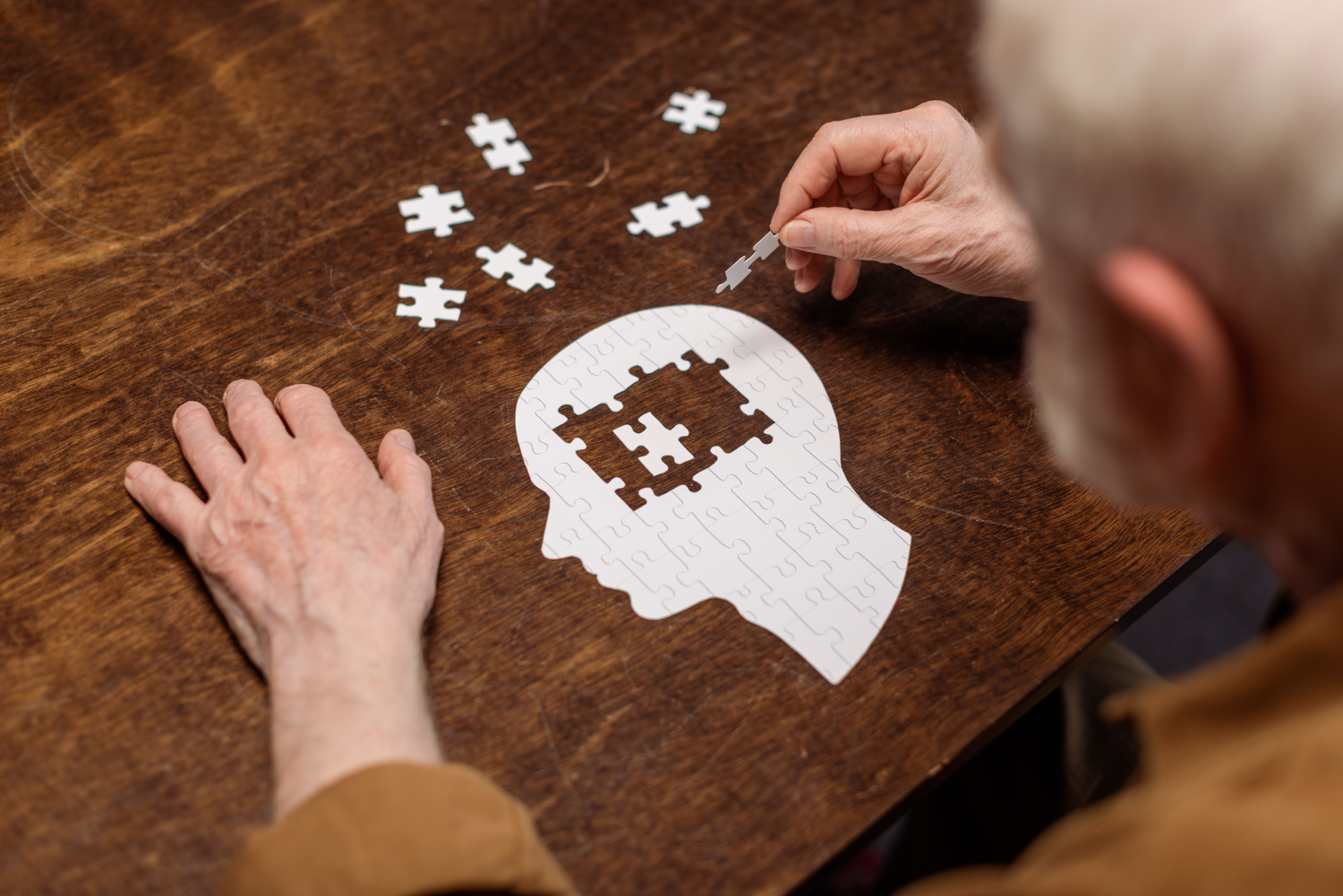
Alzheimer’s: Neurofeedback, a Ray of Hope
Background Image:

Take control of your health and preserve your independence.
Background Image:

Support your loved one and regain a better quality of life for everyone.
Background Image:

Help the person you support while maintaining balance in your own life.
What is Alzheimer’s Disease?
Alzheimer’s disease and other major neurocognitive disorders (MNDs) are degenerative brain diseases characterized by progressive cognitive decline and gradual loss of autonomy. Alzheimer’s is the most common form, accounting for about 65% of all neurocognitive disorder cases. Other forms include vascular neurocognitive disorder, frontotemporal degeneration, and Lewy body disease.
Common Symptoms
Symptoms can vary widely, but the most frequent include:
- Memory impairment
- Difficulty orienting in time and space
- Problems with organization and coherent planning
- Difficulty expressing oneself verbally
- Changes in personality, behavior, and mood
These symptoms progress over time, initially mild and then becoming increasingly disruptive. It is recommended to consult a healthcare professional as soon as these signs appear.
Who is affected?
Main Image:

The risk of developing a neurocognitive disorder increases significantly with age, affecting about 8% of people aged 65 and over, and about 33% of those aged 80 and over. Although less common, these disorders can also appear in younger people, before age 65. In Quebec, nearly 150,000 people lived with Alzheimer’s or another neurocognitive disorder in 2021, and this number is expected to rise significantly.
Good to Know
Dementia is not an inevitable part of the aging process. Receiving a diagnosis does not mean life stops; people retain many abilities and can continue making decisions, especially in the early stages. Neurofeedback is a non-invasive, painless, and side-effect-free treatment. It can safely be combined with other therapies, such as medication, for comprehensive support.
Reduce Alzheimer ’s-related Cognitive Decline with Neurofeedback
Whether you are a caregiver, someone concerned about recent memory lapses, or simply looking for prevention, memory problems and cognitive decline can be unsettling. Difficulty recalling recent events, disorientation, mood changes: this is not a lack of effort; these are fundamental, measurable brain changes. The good news: non-drug approaches can slow or partially reverse symptom progression.

Neurofeedback Program Benefits
- Strengthening attention and memory
- Stabilization or improvement of cognitive functions
- Better sleep and reduced anxiety, often associated with dementia
- Maintenance or even an increase in daily autonomy
- Safe, non-drug, and personalized approach
Image Position: Left | Icon: Heart
Alzheimer’s Disease: A Daily Challenge
Frequent forgetfulness, difficulty organizing, or behavioral changes can leave you feeling overwhelmed or uncertain. Major neurocognitive disorders like Alzheimer’s affect an increasing number of people and families, but they are not an inevitable part of aging. Solutions exist to provide valuable support.

Marie, 72, begins forgetting essential appointments, while her husband notices she struggles to plan their usual outings. These small changes can make daily life more complex.

Bénéfices visés avec le neurofeedback
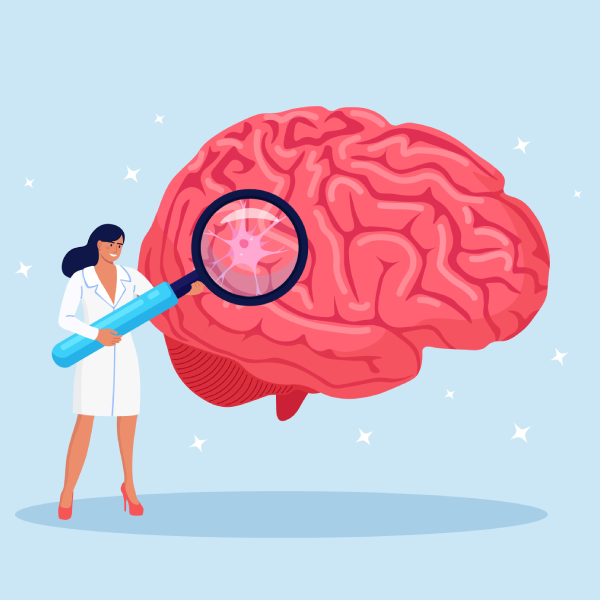
- Stabilization or improvement of cognitive functions and memory
- Reduction of anxiety, depression, and sleep disturbances
- Maintenance of independence
Image Position: Left | Icon: Heart
Supporting a Loved One While Maintaining Your Balance
Caring for a grandparent, parent, or loved one with a neurocognitive disorder can be a huge responsibility, and it is normal to feel worry, fatigue, or a sense of imbalance. Your efforts are essential and greatly appreciated by your family and the person you support.
Alex, 56, must always ensure his mother takes her medication. He notices she repeats herself and increasingly struggles to follow conversations. He often feels torn between work and caregiving, a challenge many adults face.

Common Challenges for Care Recipient and Young Caregiver
Neurofeedback can provide valuable support by stabilizing or even improving your loved one’s cognitive abilities, easing your burden, and supporting the entire family.
- Frequent forgetfulness and confusion in the care recipient
- Communication difficulties with the care recipient
- Emotional and sometimes physical burden for the caregiver
- Difficulty balancing care, work, and family life
Image Position: Right | Icon: Heart
Neurofeedback Benefits for Your Loved One
- Longer maintenance of autonomy and dignity
- Improved memory and concentration
- Reduced anxiety and behavioral changes
- More quality moments and less stress for the family
Image Position: Left | Icon: Heart
Preserve Your Memory and Independence
You want to live fully at home, safely and independently, as long as possible. Noticing declines in memory or cognitive ability can be concerning, but cognitive decline is not inevitable, and solutions exist to support brain health.
Jean, 68, is an independent senior living alone. He starts forgetting where he placed his keys or people’s names and fears these lapses might affect his independence and quality of life. He actively seeks ways to maintain his cognitive health.

Signs to Watch and Challenges
Neurofeedback is a non-invasive, painless method that helps optimize brain function to improve or preserve memory and autonomy in a lasting, natural way.
- Increasing difficulty remembering recent events
- Mild memory or concentration lapses
- Trouble adapting to new situations or planning
- Need for cognitive stimulation to maintain abilities
Image Position: Left | Icon: Heart
Neurofeedback: Essential Support for Your Partner and Family
Supporting your partner through neurocognitive challenges is a profound act of love, but it can also cause exhaustion, uncertainty, and change your relationship. As a caregiving partner, your role is crucial, and you are not alone.
Suzanne, 70, helps her husband Paul, 73, who has Alzheimer’s. She notices his progressive memory loss and behavioral changes affecting their life together and her own well-being. She seeks solutions to improve Paul’s daily life and find respite for herself.

Common Challenges for the Couple
Neurofeedback offers a practical approach to stabilize and even reduce Alzheimer’s symptoms in your partner, improving their well-being and lessening your caregiving burden, helping restore a better couple’s life.
- Gradual loss of your partner’s autonomy
- Communication difficulties and personality changes
- Intense emotional and practical caregiving load
- Increased risk of caregiver distress and isolation
Image Position: Left | Icon: Heart
Neurofeedback Benefits for Your Partner
- Slowed cognitive decline
- Improved memory and reasoning
- Reduced behavioral issues, anxiety, and sleep problems
- Better quality of life for the couple, allowing for more peaceful shared moments
Image Position: Right | Icon: Heart
How Our Neurofeedback Method Works for Alzheimer’s
Neurofeedback can support cognitive functions, reduce anxiety, and improve quality of life in individuals experiencing memory issues, mild-to-moderate cognitive decline, or a dementia diagnosis, including Alzheimer’s. Our protocol targets brain networks involved in memory, attention, and emotional regulation using safe, non-drug interventions.
Find out if this protocol can help you
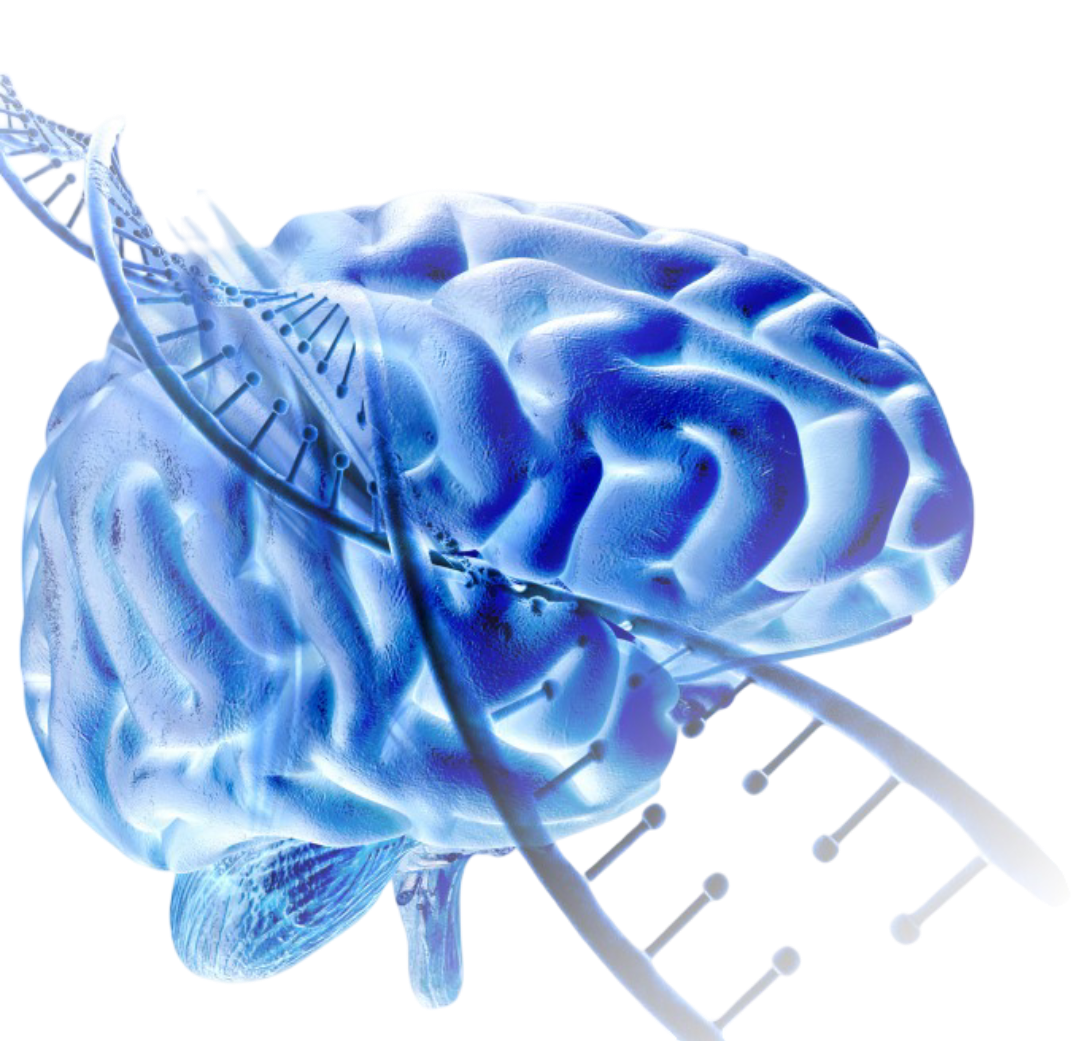
- Clinical interview and cognitive/daily-life questionnaires
- qEEG (quantitative EEG) brain assessment to map networks related to memory, attention, and sleep
- Establishment of a baseline to measure progress
- Developed by a specialist based on the qEEG profile, priorities (memory, orientation, sleep, anxiety), and level of autonomy
- Integrates neurofeedback and synergistic interventions as needed
- 12 sessions of 50 minutes each, focused on targeted issues
- Real-time neurofeedback to regulate attention and memory networks
- Regular review of goals and protocols according to clinical response
- Observable improvements in daily life (orientation, recall of recent information, more stable sleep, reduced anxiety)
Your First Session at Neuroperforma
We understand that starting a new program can raise questions. We guide you step by step so that you and your loved one feel confident.
- Meet with a psychologist specialized in neurofeedback
- Clear presentation of the method and answers to your questions
- Non-invasive measurement of brain activity (painless, no side effects)
- Analysis of networks involved in memory, attention, sleep, and emotional regulation
- Simple and visual explanations
- Identification of priority goals (e.g., recent memory, orientation, agitation, sleep)
- Proposal of a neurofeedback training program tailored to your brain profile and goals
Réassurance
Detailed qEEG report included in the initial assessment
Non-drug, safe, and personalized approach
Interventions based on scientific research published since 2016
Regular follow-up and coordination with your healthcare professionals as needed
Neuroperforma does not provide an Alzheimer’s diagnosis; a medical evaluation remains essential to determine the nature and extent of cognitive issues.
A Method Recognized and Trusted by Our Clients
At Neuroperforma, we put science at the service of people. Rigorous studies and verified experiences support every advancement.
Scientific Evidence
- qEEG-guided neurofeedback in dementia:
- 2016 study (Surmeli et al.): cognitive improvement measured with MMSE in all patients, both Alzheimer’s (AD) and vascular dementia (VD), with typical gains from 17 to 24 MMSE points

FAQ – Alzheimer’s and Neurofeedback
What is Alzheimer’s disease, and how is it different from dementia?
- Dementia is a general term for a set of symptoms (memory loss, language difficulties, reasoning problems) that interfere with daily life.
- Alzheimer’s disease is the most common form of dementia. It causes progressive degeneration of brain cells, affecting memory, behavior, and autonomy.
What are the early signs to watch for?
- Difficulty remembering recent events
- Losing objects or getting disoriented in familiar places
- Mood or behavior changes
- Trouble finding words
These signs can be subtle at first and are often mistaken for fatigue or stress.
Can neurofeedback help with Alzheimer’s or cognitive decline?
Yes. Studies have shown that neurofeedback can improve cognitive functions, slow symptom progression, and support memory.
What happens during a neurofeedback session?
- Sensors are placed on the scalp to measure brain activity
- It is non-invasive, painless, and has no known side effects
- Sessions typically last 50 minutes
Does neurofeedback replace medical treatments?
- No. Neurofeedback is a complementary approach. It can be combined with medication, cognitive stimulation, speech therapy, or physiotherapy.
- The goal is to optimize brain function and quality of life.
What other benefits can be observed?
In addition to memory and concentration, some report:
- Better organization
- Reduced anxiety and depression
- Greater emotional stability
- Improved autonomy in daily activities
Is it suitable for independent seniors who want to prevent cognitive decline?
Yes. Neurofeedback and other techniques can be used preventively to maintain memory, concentration, and mental sharpness.
How can a caregiver support a person with Alzheimer’s?
- Maintain clear and reassuring routines
- Encourage physical and social activities
- Communicate gently (simple words, eye contact, gestures)
- Provide a safe environment
- Seek professional support to avoid burnout.
Is Alzheimer’s hereditary?
In the vast majority of cases, the answer is no. Genetics accounts for only about 1% of Alzheimer’s cases. Environmental factors, lifestyle, and overall health play an important role
How long does it take to see results?
Improvements may appear within a few weeks, but timing varies depending on the individual, stage of the disease, and consistency of sessions


📊 No social proof configured yet
Add titles and content using the block settings on the right.