Background Image:

Relieve chronic pain naturally and effectively – Long-lasting results with Neurofeedback
Background Image:

Enhance your recovery and performance despite the pain.
Background Image:

Take back control of your life and body — start reducing your pain today.
Background Image:

Regain your energy and ease your pain.
What is chronic pain?
Chronic pain is a distressing sensory and emotional experience that lasts beyond the normal healing time of an illness or injury — typically over three to six months. Far from being a simple symptom, chronic pain is now recognized by the World Health Organization as a disease in its own right.
It may occur without a known cause, persist after an injury has healed, or appear following medical treatment.
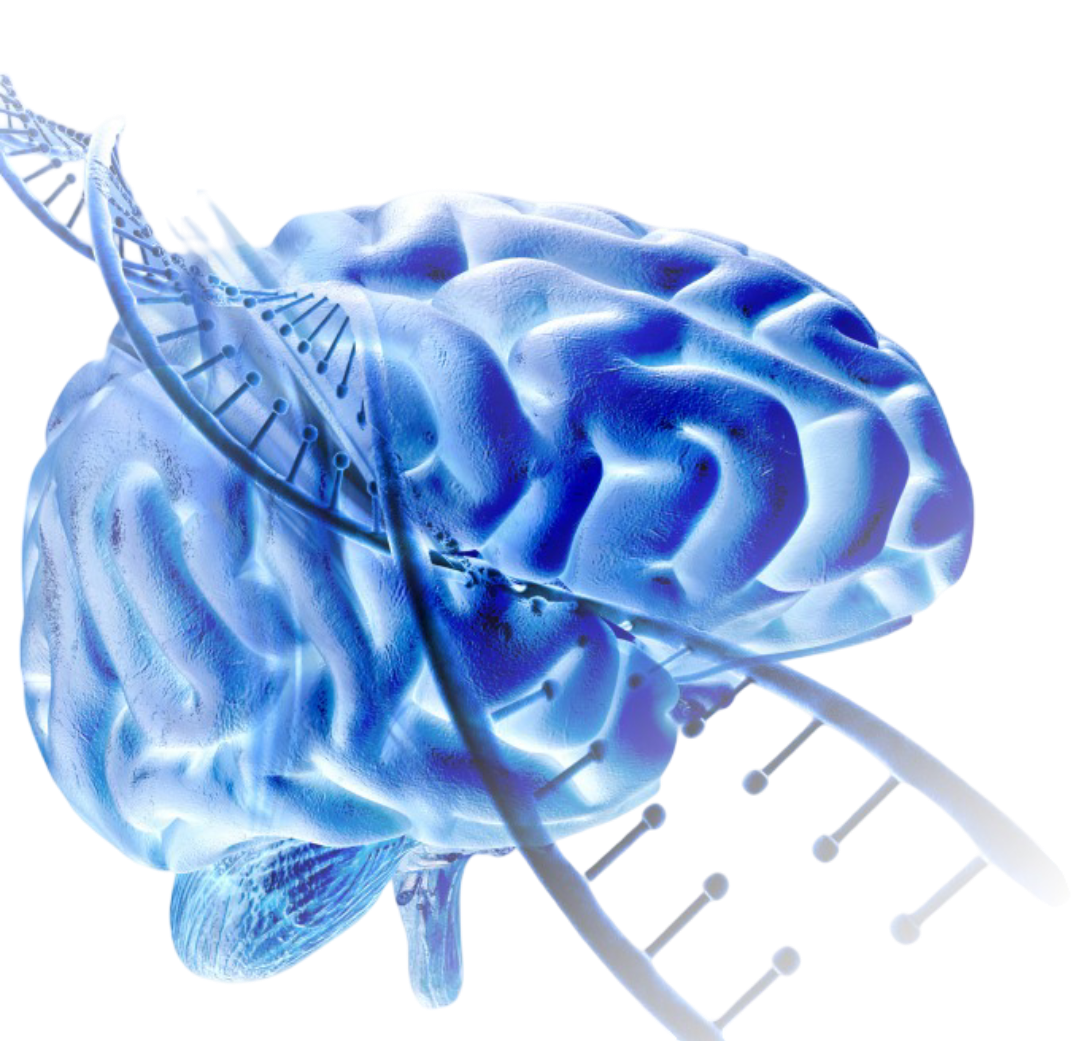
In the brain, the regions responsible for processing pain (the sensorimotor areas) are located on the top of the head and often show overactivity in people suffering from chronic pain or fibromyalgia. Neurofeedback specifically targets and helps calm these overactive areas.
Pain perception is unique to each individual and influenced by biological, psychological, social, and emotional factors.
The two main types of chronic pain:
- Primary chronic pain: Pain persists after the body has healed or has no identifiable cause (e.g., fibromyalgia, pelvic pain, musculoskeletal pain, lower back pain).
- Secondary chronic pain: Pain related to an underlying condition such as cancer treatment, post-surgical pain, or rheumatoid arthritis.
Good to know
Who is affected?
Main Image:

Nearly 8 million Canadians live with chronic pain. Those affected face a wide range of challenges impacting their physical, mental, and emotional health, finances, job security, social relationships, and self-esteem. Because it’s often invisible, chronic pain can also lead to feelings of isolation and misunderstanding.
Commonly associated symptoms (especially with fibromyalgia):
- Constant fatigue and sleep problems
- Memory and concentration issues
- Headaches and irritability
- Anxiety and depression
- Body stiffness
- Difficulty maintaining daily and professional activities
Bon à savoir
Main Image:
Le neurofeedback est classé comme une intervention pouvant aller jusqu’au niveau 4 pour les douleurs chroniques, selon le livre de référence « Evidence-Based practice in Biofeedback and Neurofeedback 2023 ». Des études ont démontré qu’il permet une réduction de l’intensité de la douleur, de la fatigue, de la dépression et de l’anxiété. En clinique, la majorité des clients perçoivent une diminution de la douleur après 5 à 7 séances, avec des améliorations significatives après une vingtaine de séances au total. Plus spécifiquement, 92 % des patients traités pour diverses douleurs chroniques ont signalé une amélioration cliniquement significative après au moins 19 séances de neurofeedback.
Source : information tirée de la page Neuroperforma https://neuroperforma.com/douleurs-chroniques-fibromyalgie/#:~:text=Ibric%20et%20al%20(2014)%20ont,sa%20derni%C3%A8re%20s%C3%A9ance%20de%20Neurofeedback.&text=An%20error%20occurred.,is%20disabled%20in%20your%20browser.&text=En%20clinique%2C%20nous%20avons%20remarqu%C3%A9,des%20niveaux%20d’am%C3%A9liorations%20significatifs., et de l’article suivant publié en 2014 par Lorenzo Cohen, PhD https://www.researchgate.net/publication/235729302_Neuromodulation_of_Cancer_Pain
Chronic pain: an invisible daily struggle
Do you live with persistent pain that drains your energy, limits your activities, and affects your mood? Chronic pain — recognized as a disease by the WHO — is a lasting sensory and emotional experience that continues for more than three to six months, even after healing or without an apparent cause. Nearly 8 million Canadians face this reality, dealing with physical, emotional, social, and professional challenges.
Valérie, 45, has suffered from chronic back pain since an accident several years ago. Despite treatment, the pain remains, keeping her from thoroughly enjoying time with her family and hobbies. She often feels isolated because her pain is invisible to others.

Common symptoms of chronic pain
Neurofeedback provides a natural, scientifically supported approach to calm the brain regions associated with pain, thereby reducing pain intensity and enhancing quality of life.
- Persistent or recurring pain beyond the normal healing time
- Fatigue and sleep disturbances
- Memory and focus problems
- Headaches and irritability
- Anxiety, depression, and isolation
- Full-body stiffness
- Difficulty maintaining daily or professional activities
Image Position: Left | Icon: Heart
Enhance your recovery and performance despite chronic pain.
For athletes, chronic pain isn’t just discomfort — it’s a significant barrier to training, performance, and achieving goals. Pain that lingers beyond normal recovery time can disrupt focus, limit movement, and erode motivation.
Marc, a 35-year-old runner, struggles with persistent knee pain despite rehab. His pace has dropped, training feels harder, and he fears being forced to stop competing.

Common symptoms for athletes
Neurofeedback helps your brain better regulate pain signals, giving you greater control over your body, faster recovery, and sustained performance — while reducing stress and anxiety.
- Pain interfering with training or competition
- Increased fatigue and slow recovery
- Loss of focus during performance
- Anxiety and fear of re-injury
- Reduced range of motion or strength
- Sleep disturbances impacting performance
Image Position: Left | Icon: Heart
Take back control of your career and your body despite chronic pain.
When your body is your primary tool, chronic pain doesn’t just hurt — it threatens your livelihood. It can affect your focus, productivity, and even job security.
David, 50, works in construction and suffers from chronic lower back pain. Every movement is complex; he takes frequent breaks, and fatigue continues to accumulate. He worries about keeping his job.
Common symptoms for physical workers
By targeting the brain regions involved in pain perception, neurofeedback can help reduce symptoms, lower fatigue, and improve well-being — allowing you to stay active and confident at work.
- Persistent pain limiting movement or lifting
- Fatigue and mental exhaustion
- Difficulty concentrating, increasing risk of error
- Anxiety and stress about job stability and finances
- Body stiffness reduces flexibility
- Poor sleep affects alertness and endurance
Image Position: Left | Icon: Heart
Chronic pain & neurofeedback: regain serenity and quality of life after 60
If you’ve been living with persistent pain for more than three to six months, making every day heavier and more complex, you’re not alone. Chronic pain — especially in cases like fibromyalgia (which affects 90% women) — can drain your energy, affect your sleep, and weigh on your mood.
Jeannine, 68, experiences widespread pain and constant fatigue affecting her sleep and mood. She once thought pain was just part of aging — until she discovered there’s another way.
Common symptoms
Chronic pain is often linked to overactivity in brain regions managing pain. Neurofeedback can help calm these areas, improving emotional regulation and reducing pain intensity, stress, and muscle tension.
- Widespread or persistent pain, even without a known cause
- Constant fatigue and poor sleep
- High anxiety or depressive feelings
- Memory or focus problems
- Isolation or frustration from being misunderstood
Image Position: Left | Icon: Heart
How our neurofeedback method works for chronic pain
Neurofeedback is a non-invasive technique that trains the brain to regulate its electrical activity. In chronic pain (including fibromyalgia), some brain regions involved in pain perception and modulation show excessive activity. By targeting these networks, neurofeedback helps reduce pain sensitivity, improve sleep quality, and lower anxiety levels.
Find out if neurofeedback can help you
- Clinical interview and pain-sleep-anxiety questionnaires
- Quantitative EEG (qEEG) to identify brain areas linked to pain perception
- Designed by a specialist based on your qEEG results, symptoms (diffuse pain, stiffness, hypersensitivity), and goals (sleep, energy, fewer flare-ups)
- A structured protocol of approximately 12 sessions, each lasting 45 minutes, conducted by an expert.
- Real-time brain training to calm pain-processing areas and enhance stress regulation
- Regular progress measurements (pain intensity/frequency, sleep, fatigue, anxiety)
- Protocols adjusted according to your response
- Reduced pain intensity
- Better sleep and mood
- Stronger self-regulation through complementary strategies (physical activity, sleep hygiene, stress management)
Scientific Evidence
Main Image:

Studies on fibromyalgia, trigeminal neuralgia, and Complex Regional Pain Syndrome Type 1 (CRPS I) show reductions in pain, fatigue, depression, and anxiety following neurofeedback training.
Ibric et al. (2014) reported that 92% of 74 patients with chronic pain experienced clinically significant improvement after 19 or more sessions.
Sources:
Adapted from Neuroperforma’s chronic pain and fibromyalgia page and
Cohen, L. (2014). Neuromodulation of Cancer Pain, Integrative Cancer Therapies.
What to Expect During Your First Neurofeedback Session
Starting something new can bring up questions. That’s why we guide you step by step, with clear explanations and a supportive, professional environment.
- Meet with a licensed psychologist specialized in neurofeedback.
- Introduction to the method and answers to all your questions.
- A non-invasive, painless, and side-effect-free measurement.
- Identifies brain regions involved in pain perception and factors that aggravate it, such as stress or poor sleep.
- Clear, easy-to-understand explanation of findings.
- Definition of your priority goals (e.g., reducing pain episodes, improving sleep, lowering anxiety).
- A neurofeedback program tailored to your brain profile and personal objectives.
Garanties & réassurance
A detailed qEEG brain map is included in your initial evaluation.
A non-invasive method supported by published research on chronic pain.
Complementary to your medical care (not a replacement for it).
Ongoing follow-ups and adjustments to maximize your progress.
A Proven and Recognized Method
At Neuroperforma, we combine scientific rigor with a human, compassionate approach. The improvements observed in our clinics are consistent with the published research on chronic pain and neurofeedback.
Scientific Evidence
- Reported improvements in pain, fatigue, anxiety, and sleep in chronic pain conditions (fibromyalgia, trigeminal neuralgia, CRPS Type 1).
- Ibric et al. (2014): 92% of 74 patients reported clinically significant improvement after at least 19 sessions.
- Case reports show up to 50% pain reduction, better sleep, lower anxiety, and decreased medication use (when approved by the treating physician).
Sources:
Adapted from Neuroperforma’s page on chronic pain and fibromyalgia and
Cohen, L. (2014). Neuromodulation of Cancer Pain.
Recognition & Partnerships
- Neurofeedback is practiced in specialized clinical settings.
- Professionals are trained in neurofeedback protocols and approaches addressing pain, sleep, and stress.
- We work in collaboration with lifestyle recommendations, including adapted physical activity, stress management, and psychotherapy.
- Neurofeedback is officially recognized by the Ordre des psychologues du Québec as a technique used by psychologists.

FAQ – Chronic Pain & Neurofeedback
Why does the brain play a role in chronic pain?
Certain areas of the brain — particularly the sensorimotor regions on the top of the head — are responsible for processing pain signals.
In people with chronic pain, these regions can become overactive, amplifying the perception of pain.
How can neurofeedback help relieve pain?
Neurofeedback is a non-invasive brain training method that helps regulate brainwave activity.
By calming the overactive areas linked to pain perception it can reduce pain intensity, improve sleep, lower anxiety, and enhance overall well-being.
Does it really work?
Yes. Studies have shown that over 90% of patients who completed neurofeedback sessions experienced significant improvement in their pain.
Additional benefits often include reduced fatigue, depression, and the need for medication.
Sources:
Adapted from Neuroperforma’s chronic pain page and
Cohen, L. (2014). Neuromodulation of Cancer Pain.
How many sessions are needed to feel results?
Most people notice improvement after 5 to 7 sessions.
For long-lasting effects, a complete program of around 20 sessions is typically recommended.
Does neurofeedback replace other treatments?
No — it’s a complementary approach. Neurofeedback doesn’t cure the physical cause of pain but helps the brain better regulate it.
It can be combined with physiotherapy, psychotherapy, or medication for optimal results.
Is it painful or risky?
Not at all. Neurofeedback is gentle, painless, and has no known side effects.
Sensors are placed on the scalp to record brain activity, and the brain receives visual or auditory feedback when it moves in the desired direction.
Through this process, known as operant conditioning, the brain learns to self-regulate naturally.


📊 No social proof configured yet
Add titles and content using the block settings on the right.