Background Image:

Reduce ADHD Symptoms Without Medication – Effective Neurofeedback
Background Image:

Help Your Child Focus Without Medication
Background Image:

Regain Control of Your Career Despite ADHD
Background Image:

Improve Your Studies and Reduce Distractions
What is ADHD?
Attention Deficit Hyperactivity Disorder (ADHD) is a neurodevelopmental disorder that affects one’s ability to focus, stay organized, and regulate impulses.
It is not a lack of motivation or poor upbringing, but rather a specific functioning of certain brain regions—especially the prefrontal cortex, which acts as a filter to process information and block distractions.
The two primary forms:
- ADD: Attention Deficit, Predominantly Inattentive Type — tendency to be distracted, slow execution, frequent forgetfulness.
- ADHD: Combined Type (inattention, hyperactivity, and/or impulsivity) — mental or physical restlessness, difficulty with self-control, trouble with organization.
Who is affected?
Main Image:

ADHD can appear in childhood and persist into adulthood. The symptoms and their impact evolve with age, but they can still affect school, work, and personal life.
Often associated with other challenges:
- Anxiety or mood disorders
- Learning difficulties
- Social or organizational challenges
Did you know? In Quebec, it’s estimated that between 5% and 8% of children and about 4% of adults have ADHD.
Reduce ADHD Symptoms Without Medication Through Neurofeedback
Whether you’re a parent, an active adult, or a student, living with ADHD can make every day more demanding. Lack of focus, disorganization, hyperactivity, or anxiety… These challenges are not about effort or willpower, but the result of a specific brain functioning pattern.

Common Benefits of Neurofeedback:
- Improves focus and sustained attention.
- Reduces hyperactivity and impulsivity.
- Decreases anxiety and stress.
- Enhances organization and working memory.
- Delivers long-lasting results without medication.

ADHD: A Daily Challenge
Do you often feel overwhelmed, easily distracted, or struggle to focus constantly? ADHD affects people of all ages and profiles, and its impact varies across personal, academic, and professional life.
Marc, 28, doesn’t understand why staying focused at work is so difficult, while Coralie, 12, struggles to finish her homework at home.

Common ADHD Symptoms
Neurofeedback offers a natural approach that helps regulate attention, reduce mental scattering, and improve quality of life.
- Frequent distractions and loss of focus
- Difficulty planning and organizing
- Tendency to procrastinate
- Feeling of frustration or mental fatigue
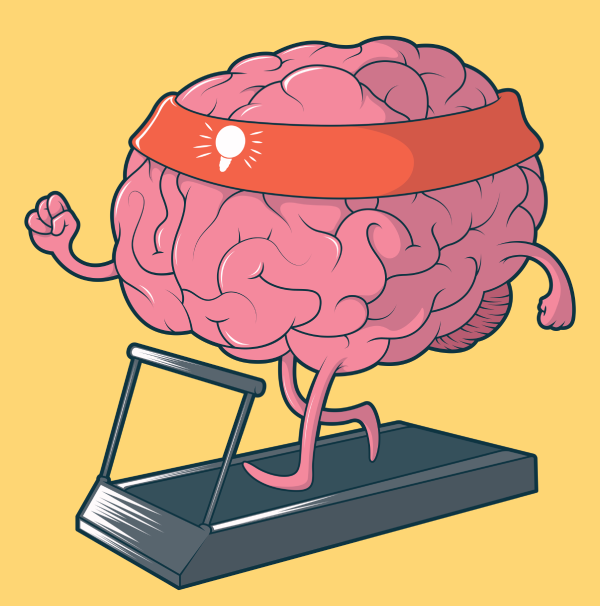
Image Position: Right | Icon: Heart
Reduce ADHD Symptoms for Your Child with Neurofeedback
Does your child struggle to stay focused, get easily distracted in class, or come home exhausted and discouraged? These difficulties are not a result of a lack of effort or willpower. ADHD is a neurodevelopmental disorder that affects attention, organization, and sometimes behavior.
Maxime, age 9, used to cry through homework sessions, unable to focus for more than a few minutes. After 8 neurofeedback sessions, his teachers noticed a clear improvement, and he rediscovered the joy of learning.

Benefits of Neurofeedback for Your Child
- Improves focus and sustained attention.
- Reduces hyperactivity and impulsivity.
- Decreases anxiety linked to learning.
- Strengthens self-confidence.
Image Position: Right | Icon: Heart
Students with ADHD
Having ADHD at school can turn studies into a real battle: difficulty focusing in class, endless homework, and grades that don’t reflect the effort made.
Camille, 15, spends hours on her homework but often forgets to submit it. She feels discouraged and believes she’s “not capable,” despite her strong potential.

Common Symptoms in Students with ADHD
Neurofeedback helps young people strengthen focus and self-confidence so their efforts finally translate into results.
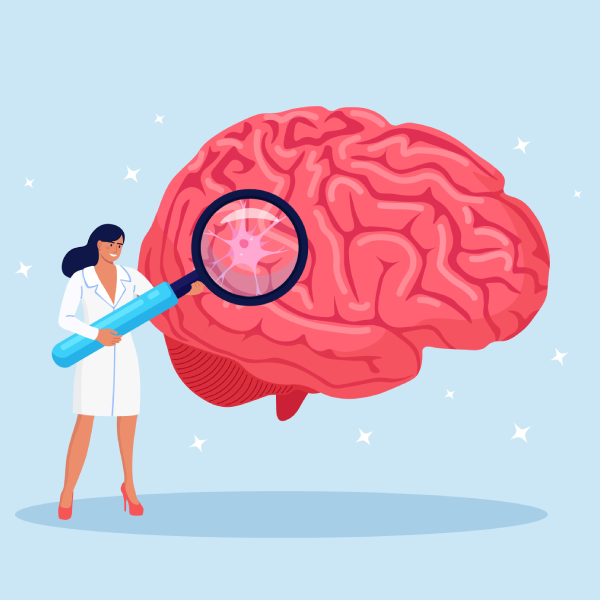
- Frequent forgetfulness (assignments, exams, materials)
- Difficulty maintaining attention in class
- Poor time management for homework and study
- Lower self-confidence due to academic results
Image Position: Left | Icon: Heart
Young Adults with ADHD
At university, college, or early in your career, ADHD can make organization, time management, and relationships difficult. Many feel out of sync with others.
Julien, 22, initiates numerous university projects but struggles to complete them. He feels frustrated watching his friends progress more easily.

Common Symptoms in Young Adults with ADHD
Neurofeedback can promote better attention regulation and reduce mental pressure, helping young adults thrive in their studies and projects.
- Difficulty structuring studies or first jobs
- Frequent delays and poor time management
- High stress around deadlines or exams
- Feelings of failure or social isolation
Image Position: Left | Icon: Heart
Parents and Children with ADHD
Being the parent of a child with ADHD means living between worry, exhaustion, and hope. You constantly wonder how to help your child succeed in school and feel good about themselves.
Émilie and Marc, parents of a 9-year-old boy, often receive calls from school about his concentration problems. At home, homework time has become a daily source of conflict.

Common Symptoms in Children with ADHD
Neurofeedback helps children better regulate their attention and energy while giving parents renewed hope for their child’s academic and emotional future.
- Difficulty staying focused at school or home
- Frequent forgetfulness (instructions, homework, materials)
- Impulsivity or restlessness
- Fragile self-esteem
Image Position: Left | Icon: Heart
How Our Neurofeedback Method Works for ADHD
Neurofeedback is a non-invasive method that trains the brain to optimize its electrical functioning. By targeting the regions and networks involved in attention, organization, and emotional regulation, it is possible to reduce symptoms of ADHD sustainably.
Find Out If Neurofeedback Can Help You
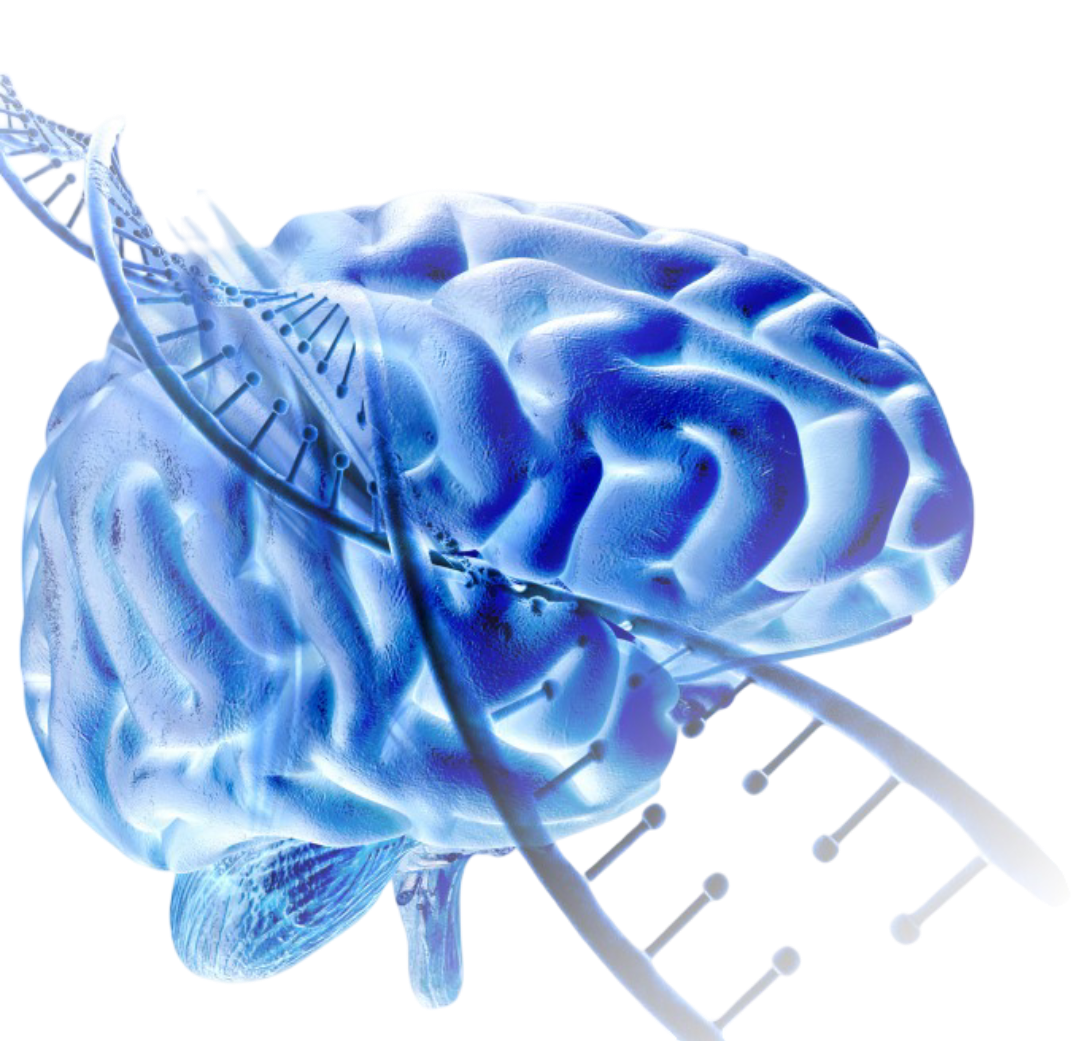
- Clinical evaluation and detailed questionnaire.
- Quantitative EEG (qEEG) analysis to identify the brain areas to be trained.
- Designed by a neuropsychologist based on your results and goals.
- A structured protocol of 12 sessions, each lasting 45 minutes, conducted by an expert.
- Interactive real-time exercises to regulate brain activity.
- Regular analysis of progress and program adaptation.
- Optimized brain capacities that continue to improve even after the program ends.
Preuve scientifique
Neurofeedback is rated as a Level 5 intervention, the highest level of effectiveness recognized by the scientific guidelines of Evidence-Based Practice in Neurofeedback and Biofeedback (2023)
What to Expect During Your First Session at Neuroperforma
We know that starting a new treatment can raise questions. That’s why we guide you step by step from your very first visit.
- Meet with your neuropsychologist or certified practitioner.
- Presentation of the method and answers to your questions.
- Non-invasive measurement of brain activity (no pain, no side effects).
- Real-time analysis of the regions and networks involved in attention, concentration, and emotional regulation.
- Clear and simplified explanation of findings.
- Identification of priority goals.
- Proposal of a program tailored to your profile and availability.
Réassurance
Complete a qEEG assessment, included in your first session.
Non-invasive and scientifically recognized method.
Team specialized in ADHD — for both children and adults.
Commitment to regular follow-up throughout the program.
State-of-the-art 19-electrode neurofeedback technology, enabling detailed brain mapping and highly targeted intervention.
A method recognized and approved by science
At Neuroperforma, we combine scientific rigor with human support. Our results are validated by research and confirmed by our clients’ testimonials.
Scientific Evidence
- Level 5 intervention: highest classification according to Evidence-Based Practice in Neurofeedback and Biofeedback 2024.
- An over 90% improvement rate in symptoms was observed after 5 to 7 training sessions.
- Method used in several specialized clinics across Canada and internationally.
- Method recognized by the Quebec Order of Psychologists.

FAQ – TDAH & Neurofeedback
What is the difference between ADD and ADHD?
ADD is Attention Deficit Disorder with predominantly inattentive symptoms. ADHD includes hyperactivity and/or impulsivity. Both are neurodevelopmental disorders affecting focus, organization, and behavior, but hyperactivity is less present in ADD.
How does ADD/ADHD affect daily life in children and adults?
In children, ADHD can cause academic challenges, impulsive behavior, and disorganization. In adults, it can impair work performance, time management, and relationships. In both cases, it may also be associated with anxiety or low self-esteem.
Is ADD/ADHD hereditary?
Yes, in about 75% of cases, ADHD is linked to genetic factors. However, other factors such as prematurity or specific exposures during pregnancy can also contribute to its development.
Is neurofeedback effective and scientifically recognized for ADHD?
Yes. Neurofeedback is rated as a Level 5 intervention, the highest level of scientific recognition. It reduces symptoms in approximately 90% of cases, with results that persist even after the sessions end.
What is the difference between neurofeedback and medication?
Medication works only while taken, by altering the brain’s chemical activity. Neurofeedback, on the other hand, directly trains the brain’s electrical activity, with effects that can last even after sessions are completed.
Neurofeedback or psychotherapy: what’s the difference?
Psychotherapy focuses on thoughts, emotions, and behaviors, while neurofeedback trains the brain to function better at the neurophysiological level. The two approaches can be complementary.
Is neurofeedback painful or invasive?
No. It is a non-invasive, painless method with no known side effects. Sensors placed on the scalp record brain activity and guide the training.
How long does it take to see results?
Most clients notice significant improvements after 8 to 12 weeks, with 1 to 2 sessions per week.
Can I continue my other treatments during neurofeedback?
Yes. Neurofeedback can be combined with medication, psychotherapy, or other treatments.


📊 No social proof configured yet
Add titles and content using the block settings on the right.