
Background Image:

Reduce OCD and Anxiety Without Medication – Effective Neurofeedback
Background Image:

Help Your Child Regain Calm and Control Over OCD
Background Image:

Take Back Control of Your Life Despite OCD
Background Image:

Succeed in School and Free Yourself from Repetitive Thoughts or Behaviors
What Is OCD?
Obsessive-Compulsive Disorder (OCD) causes intrusive thoughts and/or compulsive behaviors, often accompanied by anxiety. This condition can seriously affect both physical and mental health, appearing as early as childhood and impacting personal and professional life.
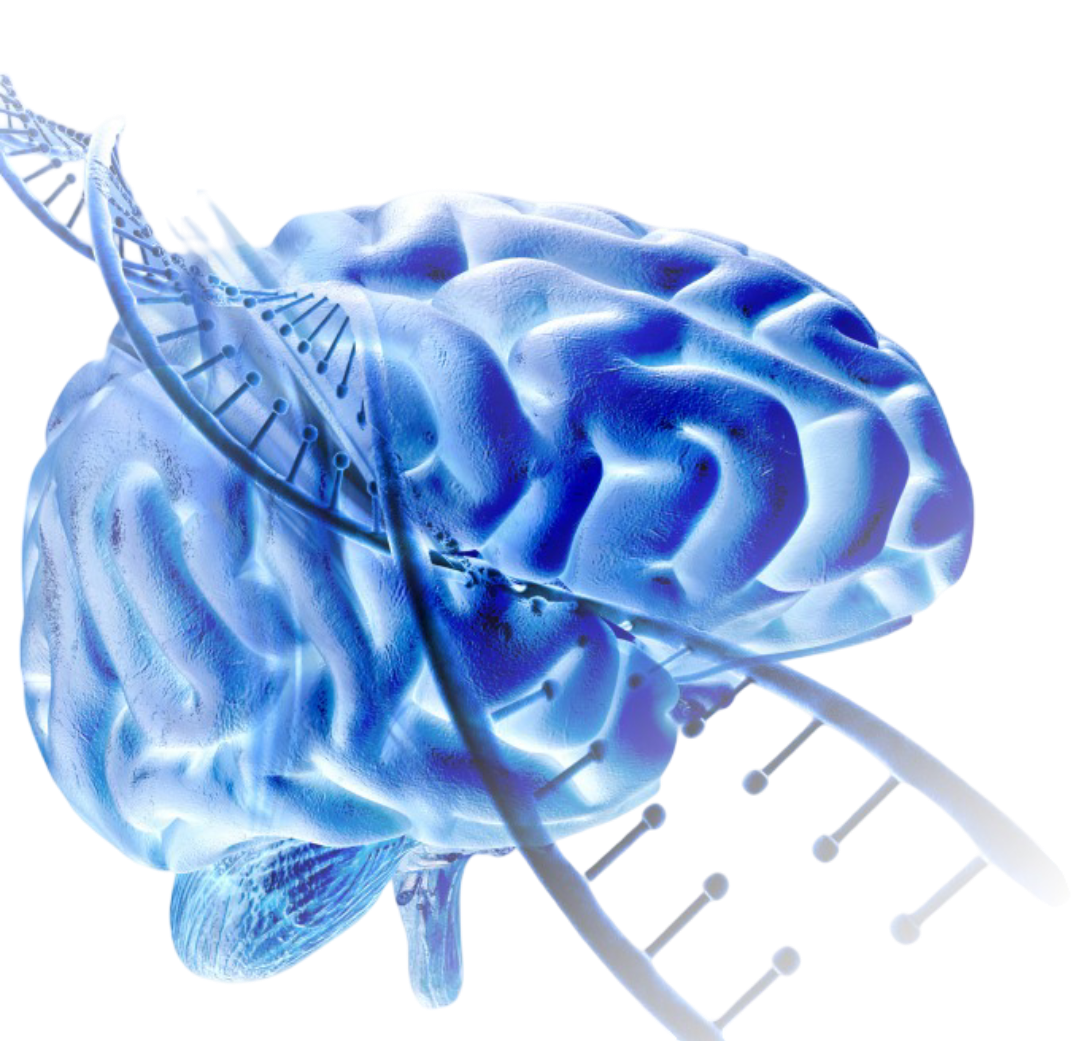
At the brain level, psychiatrist Dr. Daniel Amen has identified several regions often linked to these symptoms:
- The prefrontal lobes play a crucial role in judgment. Usually, they help recognize and inhibit inappropriate behaviors.
- The cingulate gyrus is associated with mental flexibility. Hyperactivity in this area can lead to mental rigidity, making it hard to “let go” of thoughts or behaviors.
- The amygdala and other anxiety-related regions are often overactive — something a neurofeedback-trained psychologist closely examines during quantitative EEG (qEEG) evaluation.
Good to Know: Anxiety is a frequent component of OCD, and neurofeedback targets explicitly the brain regions involved in regulating it. Neuroperforma clinics offer neurofeedback to help improve control over obsessions and impulsivity, strengthen emotional regulation, and restore healthy thinking patterns.
Who Is Affected?
Main Image:

OCD can appear in childhood and persist into adulthood. Symptoms and their impact evolve with age, affecting school, work, and personal life.
- In children and teens, it may cause concentration problems, low self-esteem, frequent forgetfulness, and poor time management.
- In young adults, it can make academic or early career organization difficult, leading to frequent lateness, high stress, and social withdrawal.
- In adults (especially young women): it may harm work performance, time management, and personal relationships, often accompanied by anxiety, depression, and body image issues.
Often Associated With Other Challenges
Main Image:

- Anxiety or mood disorders: commonly present, intensifying guilt, shame, and depression.
- Social or organizational difficulties can lead to family isolation or reduced performance.
- Low self-confidence: due to academic or daily struggles.
OCD: A Daily Challenge
Do you often feel overwhelmed by obsessive thoughts, compulsive rituals, or an unhealthy relationship with food? OCD affects people of all ages and backgrounds, with impacts that vary depending on personal, academic, or professional life.
Marc, 28, spends so much time checking locks before leaving home that he’s often late for work and experiences constant stress.

Common OCD Symptoms
Neurofeedback provides a safe, science-backed approach that trains brain regions responsible for mental flexibility, judgment, and anxiety regulation. This method promotes a healthier, more balanced mindset, reducing the impact of obsessions and compulsions while improving overall quality of life.

- Repetitive or intrusive thoughts that are hard to ignore.
- Ritualistic or compulsive behaviors that disrupt daily life.
- Intense anxiety.
- Difficulty making decisions or letting go.
- Feelings of guilt, shame, or isolation.
Image Position: Left | Icon: Heart
Regain Your Freedom from OCD
Adolescence is already a time of change, full of challenges and self-discovery. When intrusive thoughts or uncontrollable rituals are added, each day can feel like a silent struggle — isolating you and affecting your happiness.
Léa, 16, feels compelled to clean constantly or check things repeatedly, which isolates her from friends and often makes her late for school.

Common OCD Symptoms in Teens
Neurofeedback offers a natural, scientifically validated method that helps your brain regain balance. It targets regions responsible for mental flexibility, judgment, and anxiety regulation, helping you take back control, thrive, and focus on what truly matters to you.
- Repetitive thoughts or rituals that are hard to stop.
- Concentration difficulties and low energy at school.
- Frequent anxiety or irritability.
- Social isolation or loss of interest in usual activities.
Image Position: Left | Icon: Heart
Take Back Control and Find Serenity
In university, college, or early career stages, OCD can make organization, time management, relationships, and personal growth more difficult. Feeling out of sync with others is common — but it’s time to find balance and free yourself from these burdens.
Sophie, 25, finds her intrusive thoughts and checking rituals taking over, affecting her relationships and work performance.

Common Symptoms in Young Adult Women with OCD
Neurofeedback can help train the brain regions responsible for mental flexibility, judgment, and emotional regulation. This may reduce the impact of obsessions and compulsions, strengthen anxiety management, and promote a healthy, balanced mindset.
- Obsessive thoughts and compulsive behaviors are disrupting daily life.
- High anxiety, guilt, or shame.
- Declining work performance or social withdrawal.
- Difficulty making decisions, letting go, or managing stress.
Image Position: Left | Icon: Heart
Parents: Help Your Child Regain Well-being Despite OCD
Being the parent of a child struggling with OCD means living between worry, exhaustion, and hope. You constantly wonder how to help your child feel comfortable in their own skin and thrive at school and at home. Neurofeedback offers new hope to help them regain balance.
Émilie and Marc, the parents of a 14-year-old girl, worry about her constant checking rituals, which cause her to be late and negatively impact her schoolwork.

Common Symptoms in Children with OCD
Neurofeedback is a non-invasive, scientifically validated method that helps your child’s brain better regulate the areas involved in mental flexibility, judgment, and anxiety management. This can help reduce obsessions and compulsions while promoting healthier thought patterns — offering renewed hope for your child’s academic and emotional future.
- Difficulty staying attentive or focused at home or school
- Intrusive or repetitive thoughts
- Compulsive behaviors or rituals (excessive washing, checking, strict organization)
- Frequent anxiety, irritability, or sadness
- Low self-esteem or social isolation
Image Position: Left | Icon: Heart
How Our Neurofeedback Method Works for OCD
Neurofeedback is a non-invasive brain training method that helps regulate the neural networks involved in obsessions, compulsions, mental rigidity, and anxiety. By targeting the prefrontal lobes (judgment/inhibition), cingulate gyrus (cognitive flexibility), and the anxiety network (including the amygdala), it can reduce obsessive loops and promote better behavioral control.
Find Out If Neurofeedback Can Help You
- Clinical interview and targeted questionnaires about obsessions/compulsions, anxiety, and cognitive rigidity.
- Quantitative EEG (qEEG) evaluation to detect hyperactivity and irregularities in key regions: prefrontal cortex, cingulate gyrus, and anxiety-related networks.
Developed by a specialist according to your profile (OCD, anorexia, bulimia, binge eating, avoidance/restriction) and goals (reducing rituals, managing urges, decreasing anxiety, improving flexibility).
Real-time neurofeedback protocols targeting:
- Prefrontal region: Strengthen inhibition and judgment.
- Cingulate gyrus: Reduce fixation and improve the ability to shift attention.
- Anxiety network: Calm hyperactivation and feelings of urgency.
Typical progress is observed after approximately 12 sessions, with adjustments made according to individual response.
Regular tracking of key indicators: frequency/intensity of obsessions and compulsions, distress levels, binge or compensatory episodes, and perceived anxiety.
Fine-tuning of protocols to maximize gains and real-life transferability.
- Decrease in unwanted behaviors, greater mental flexibility
- Reduced anxiety and a stronger sense of control
- Works as a complement to psychotherapy and medical follow-up
Your First Session at Neuroperforma: What to Expect
Starting treatment for OCD can raise many questions. We guide you step-by-step with a clear and reassuring process.
- Meet with a neurofeedback-trained professional.
- Explanation of the method, structure, and answers to your questions.
- Non-invasive, painless, and side-effect-free measurement.
- Analysis of key brain regions: prefrontal (control/executive), cingulate gyrus (flexibility), anxiety network (amygdala).
- Clear explanation of findings.
- Identification of priorities (e.g., reducing rituals, easing post-impulse distress, improving mental flexibility).
- Proposal of a neurofeedback protocol adapted to your profile, goals, and availability.
- Integration with your psychotherapeutic or medical care if needed.
Garanties u0026 réassurance
Detailed qEEG assessment included in the first session
Non-invasive method supported by published data on OCD
Continuous follow-up with ongoing adjustments
Complementary approach: Neurofeedback is not a standalone cure but a powerful lever that can be combined with psychotherapy, nutritional education, and medical support
A Recognized and Approved Method
Our approach combines scientific rigor with compassionate human support. The results observed in our clinics are consistent with scientific findings cited by Neuroperforma.
Scientific Evidence
- OCD: 89% reduction in symptoms after neurofeedback, maintained after 12 months (Hammond, 2003; Journal of Neurotherapy 7(2):25–52).
- Circuit targeting: Training of the prefrontal lobes, cingulate gyrus, and anxiety network improves judgment, inhibition, mental flexibility, and emotional regulation.
Recognition & Applications
- Used in clinical settings to complement cognitive-behavioral therapy (CBT) and medical follow-up for OCD.
- Adaptable to different profiles and symptom intensities.
- Neurofeedback is officially recognized by the Ordre des psychologues du Québec as a technique used by psychologists.

FAQ – OCD and Neurofeedback
How does Obsessive-Compulsive Disorder manifest in daily life?
Through persistent ruminations (e.g., “I must check/control”), rituals (restriction, vomiting, excessive exercise, checking), mental rigidity (difficulty “letting go” of thoughts), anxiety, and guilt. These impact mood, relationships, school/work, and overall health.
Who makes the diagnosis?
Doctors and psychologists (or neuropsychologists) evaluate symptoms, their impact, and health risks. Care may involve a multidisciplinary team (psychotherapy, medical, and nutritional support, etc.).
Neuroperforma does not provide diagnostic services, and a diagnosis is not required to begin neurofeedback training.
What happens in the brain in OCD?
Several areas are often involved:
- Prefrontal lobes: Judgment, inhibition, impulse control.
- Cingulate gyrus: Mental flexibility; when overactive, it makes it difficult to “detach” from specific thoughts or rituals.
- Anxiety network (including the amygdala): Often hyperactive, fueling ruminations and a sense of urgency.
Is neurofeedback painful or risky?
No. Both the qEEG assessment and neurofeedback training are painless and non-invasive. No typical side effects are expected. It complements medical and psychotherapeutic care.
Are there any side effects?
Neurofeedback is non-invasive and considered safe. Protocols can be adjusted if temporary fatigue occurs, ensuring comfort and optimizing results.


📊 No social proof configured yet
Add titles and content using the block settings on the right.