
Background Image:
Regain Peaceful Nights and Quality Sleep – Effective Neurofeedback
Background Image:

Give Your Child and Family the Gift of Peaceful Sleep
Background Image:

Regain Peaceful Nights and the Energy to Excel in Your Studies
Background Image:

Boost Your Energy and Performance with Quality Sleep
What Are Insomnia and Sleep-Onset Difficulties?
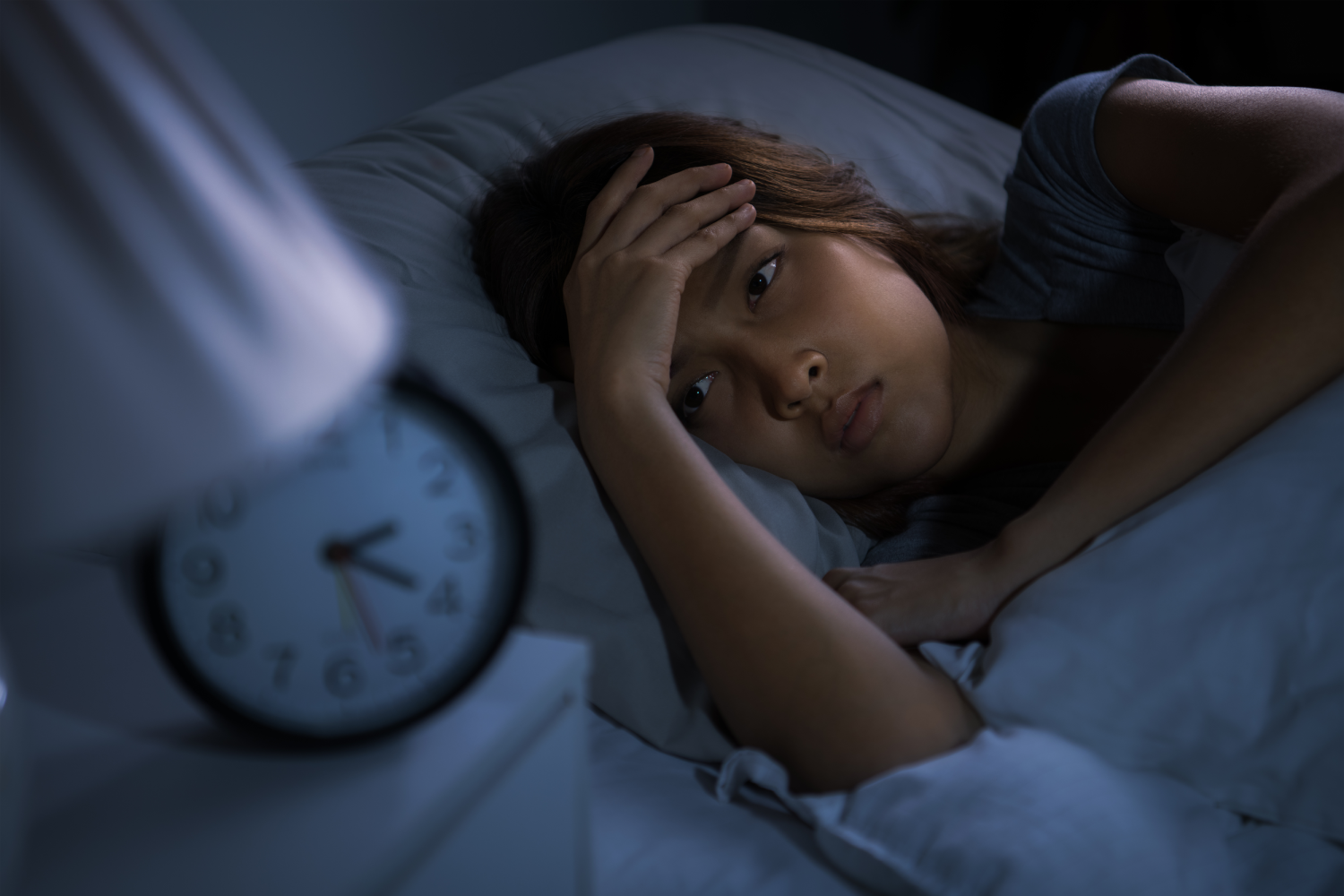
Insomnia is the most common sleep disorder. It’s characterized by difficulty falling asleep, frequent nighttime awakenings, or early morning awakenings, accompanied by an inability to return to sleep. Although occasional insomnia has no serious health effects, chronic insomnia can have significant consequences.
What Happens in the Brain:
The causes of insomnia vary—from lifestyle and health issues to brain activity patterns.
- Cerebral Hyperactivity: In anxious individuals, brain activity often shows hyperactivity—an excess of fast brain waves. This makes it harder to drift into sleep, since falling asleep requires the brain to slow down. A hyperactive brain also struggles to enter deep sleep stages, which are essential for recovery. This leads to more frequent awakenings and lingering fatigue, even after a “normal” night’s sleep.
- Lack of Slow Waves: Some individuals exhibit a deficit in slow-wave frequencies, which are crucial for falling asleep and achieving proper rest.
- The amygdala and other regions involved in the anxiety network can also be overactive, activating the nervous system and anxiety, directly disrupting sleep.
Who Is Affected?
Main Image:

Sleep disorders can affect anyone. Insomnia may appear as a symptom or as a standalone disorder and is often linked to other conditions. Generalized Anxiety Disorder (GAD) frequently includes disturbed sleep among its symptoms. Many individuals with GAD first seek help for fatigue or sleep problems without realizing that anxiety is the underlying cause.
Often Associated With
Main Image:
- Generalized anxiety and stress
- Depression and low motivation
- Long-term physical health risks: increased risk of obesity, diabetes, cardiovascular disease, and a weakened immune system
- Underlying health issues: sleep apnea, chronic pain
Did You Know?
In Canada, about 700,000 people aged 15 and over reported symptoms consistent with Generalized Anxiety Disorder in 2012—a condition that includes sleep disturbances—according to the Canadian Community Health Survey – Mental Health, 2012.
Regain Peaceful Nights with Neurofeedback
Whether you’re an overwhelmed professional, an exhausted parent, or a stressed student, lack of sleep can make every day feel heavier—affecting your mood, focus, and overall functioning. These issues often result from imbalances in your brain’s activity. With neurofeedback, you can restore better-quality sleep and a more balanced life.
💬 No user stories added yet
Add testimonials using the block settings on the right.
Common Benefits of Neurofeedback for Sleep

- Faster sleep onset
- Fewer nighttime awakenings
- Better sleep quality
- Reduced daytime sleepiness
- Lower anxiety and stress, often linked to sleep disorders
- Improved focus, memory, and mood
Image Position: Left | Icon: Heart
Enhance Your Work Performance and Well-Being with Restorative Sleep
In demanding professional environments, stress and responsibility can make it hard to fall and stay asleep. Disrupted sleep affects your focus, decision-making, and patience with colleagues. You deserve to regain the energy and clarity needed to perform at your best.
Sarah, 38, a marketing director, struggled to fall asleep each night as her mind raced with thoughts about the next day. Frequent awakenings left her exhausted and irritable, harming her productivity, motivation, and ability to manage her team.

Observed Benefits of Neurofeedback for Professionals
Neurofeedback helps regulate brain activity, making it easier to fall asleep, improving sleep depth and quality, and reducing stress and anxiety. This leads to better focus, higher energy, and optimized professional performance—contributing to a healthier work-life balance.
- Improved sleep quality: easier to fall asleep, fewer awakenings
- Deeper sleep: better physical and mental recovery
- Reduced stress and anxiety: helps calm excessive brain activity that prevents rest
- Increased daytime energy and focus: less fatigue, more productivity
- Better mood: less irritability, greater emotional stability
Image Position: Left | Icon: Heart
Give Your Child Peaceful Nights… and Your Family Calmer Mornings
When a child struggles to fall asleep or wakes frequently during the night, the entire family feels the impact. Restless nights affect your child’s mood, behavior, and learning abilities—but also your own energy and patience. You’re not alone in this situation, and a safe, effective solution exists: neurofeedback.
Maya, age 7, took hours to fall asleep and woke up several times a night, often crying. Her exhausted parents noticed her irritability increasing during the day, and their relationship began to suffer from the chronic lack of rest.

Targeted Benefits of Neurofeedback for Your Child
- Faster, calmer sleep onset
- Fewer and easier-to-manage nighttime awakenings
- Better sleep quality, supporting recovery and growth
- Reduced irritability and mood fluctuations
- Decreased anxiety can prevent relaxation before bedtime
- Improved concentration and overall well-being
Image Position: Left | Icon: Heart
Regain Peaceful Nights and the Energy to Excel in Your Studies
Student life is full of challenges—exams, coursework, and social life. When falling asleep becomes difficult or nights grow restless, it can quickly turn into a vicious cycle. Lack of focus, memory issues, irritability, and stress become constant companions, directly impacting your results and overall well-being.
Thomas, 19, couldn’t turn off his thoughts at night—reviewing lessons or worrying about exams. He spent hours trying to fall asleep, only to wake up tired and unable to concentrate in class the next day. His grades began to drop.

Benefits of Neurofeedback for Young People and Students
Neurofeedback helps regulate your brain activity to promote faster sleep onset and deeper rest. By reducing mental hyperactivity and anxiety—often associated with sleep disturbances—you can regain focus, strengthen memory, and better manage academic stress for a calmer, more successful student life.
- Faster sleep onset: easier transition to sleep despite stress or irregular schedules
- Fewer nighttime awakenings: more continuous rest
- Improved focus and memory: boosts academic performance
- Stress and anxiety management: calms the mind before exams or busy periods
- More energy and vitality during the day: reduces fatigue from short nights
- Mood stabilization: helps limit irritability and loss of motivation
Image Position: Left | Icon: Heart
How Neurofeedback Can Improve Your Sleep Quality
Neurofeedback is a non-invasive brain training method that helps balance your brain’s electrical activity. By specifically targeting imbalances related to insomnia and sleep-onset difficulties, you can sustainably restore restful sleep and enhance your overall quality of life.
Find out if neurofeedback can help you regain restorative sleep
Your journey begins with a 30-minute call with one of our consultants. We take the time to understand your specific sleep challenges, habits, and goals.
Next, you’ll meet with a qualified psychologist or neuropsychologist. This meeting assesses the nature and impact of your sleep issues and helps define clear, personalized goals.
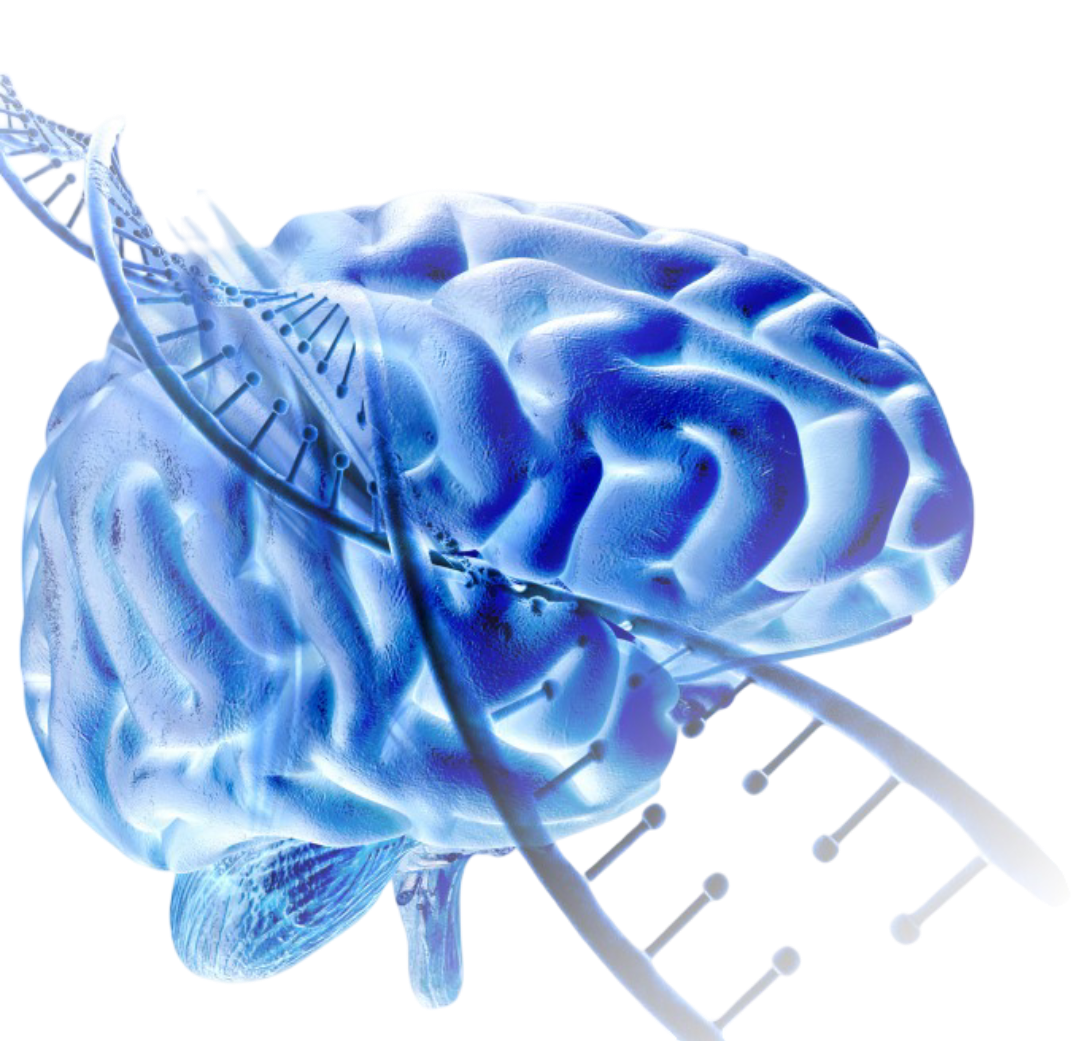
A medical electrophysiology technologist records and analyzes your brain activity over a 30–45-minute session. Non-invasive, painless sensors are placed on your scalp to measure electrical activity in real time. This step identifies potential excess fast waves (hyperactivity) or deficiencies in slow waves that can disrupt sleep.
Our specialists conduct a detailed analysis of your qEEG data. You receive a comprehensive written report outlining your brain activity patterns, their connection to your sleep difficulties, and recommendations for a personalized training program.
Training typically includes at least 12 sessions per concern (e.g., a protocol targeting sleep-related brainwaves). During each 50-minute session, electrodes detect your brain activity. When your brain reaches the desired state (for example, by reducing fast-wave activity or producing more slow waves conducive to sleep), it receives immediate feedback in the form of sound or video images. This reinforcement teaches your brain to reproduce beneficial brainwave patterns.
At Neuroperforma, we utilize 19-electrode equipment capable of simultaneously reading, analyzing, and training 12,700 brain points in 3D, thereby optimizing communication among brain regions involved in regulating sleep and stress.
Regular progress analyses are conducted, and the program is adapted according to your evolution to maximize results.
The improvements achieved through neurofeedback are typically durable and can continue to progress even after training ends.
Scientific Evidence
According to Evidence-Based Practice in Biofeedback and Neurofeedback (2023), neurofeedback is rated Level 5 (the highest level of effectiveness) for anxiety disorders—one of the leading causes of sleep-onset difficulties and nighttime awakenings.
Neurofeedback is officially recognized by the Ordre des psychologues du Québec as a technique used by psychologists.
Your First Session at Neuroperforma
We understand that sleep problems can be a source of worry and frustration. That’s why, from your very first visit, we offer an empathetic and transparent approach to guide you toward more peaceful nights.
Join the hundreds of satisfied clients who have regained restorative sleep
You’ll meet your psychologist or certified practitioner, who will clearly explain the method, outline the steps of your program, and answer all your questions in a supportive and trustworthy environment.
A non-invasive assessment of brain activity is performed. This painless, side-effect-free analysis identifies specific brainwave patterns that may be disrupting your sleep (hyperactivity, lack of slow waves, etc.).
Your specialist will review the findings in clear, simple terms. Together, you’ll define the key objectives to improve your sleep.
A fully tailored Neurofeedback program will be designed to match your specific needs, goals, and availability, and will be discussed with you before commencement.
A recognized solution for restoring deep and stable sleep
At Neuroperforma, our approach is grounded in science and enriched by human expertise. We’re proud to welcome you with a method whose effectiveness is validated by research and confirmed by our clients’ testimonials.
We collaborate with qualified professionals (psychologists, neuropsychologists, and medical electrophysiology technologists) to ensure optimal support.
Neurofeedback is officially recognized by the Ordre des psychologues du Québec as a technique used by psychologists.
Neuroperforma is the leading neurofeedback center in Canada and proudly uses the latest generation of 19-electrode neurofeedback equipment. This technology reads, analyzes, and trains 12,700 brain regions in 3D simultaneously — providing deeper, faster, and more effective results compared to traditional 1- or 2-electrode systems used to target sleep-related dysfunctions.

FAQ – Insomnia, Sleep Difficulties & Neurofeedback
Who is neurofeedback for?
Whether you’re an exhausted parent, a professional under pressure, or a student during exams, poor sleep is not a life sentence. Trouble falling asleep, frequent awakenings, early waking, or unrefreshing sleep — it’s not “in your head” or a lack of willpower. Often, the brain simply remains in a state of wakefulness and requires training to transition more easily into sleep.
What exactly is insomnia?
It refers to difficulty falling asleep, frequent night awakenings, waking up too early, or having unrefreshing sleep, with daytime effects such as fatigue, irritability, or difficulty concentrating.
Why can’t I “switch off” at night?
Overactivation of the brain, often linked to stress or anxiety, prevents the slowdown necessary for falling asleep. Sometimes, EEGq readings show a lack of slow-wave activity.
Can neurofeedback really help me sleep?
Yes. It trains the brain to produce activity patterns conducive to sleep, reduces hyperarousal, and facilitates access to deep sleep. Many clients report falling asleep more quickly and waking up less frequently.
What if my insomnia is caused by something else (apnea, pain, thyroid issues)?
A medical evaluation remains essential. Neurofeedback affects the brain’s regulation of sleep and can be combined with treatment for any identified medical conditions.
What difference does 19-electrode equipment make?
It allows for detailed 3D mapping and training of the brain networks related to sleep and anxiety — not just one isolated area. The result is more precise targeting, faster progress, and more stable gains.


📊 No social proof configured yet
Add titles and content using the block settings on the right.