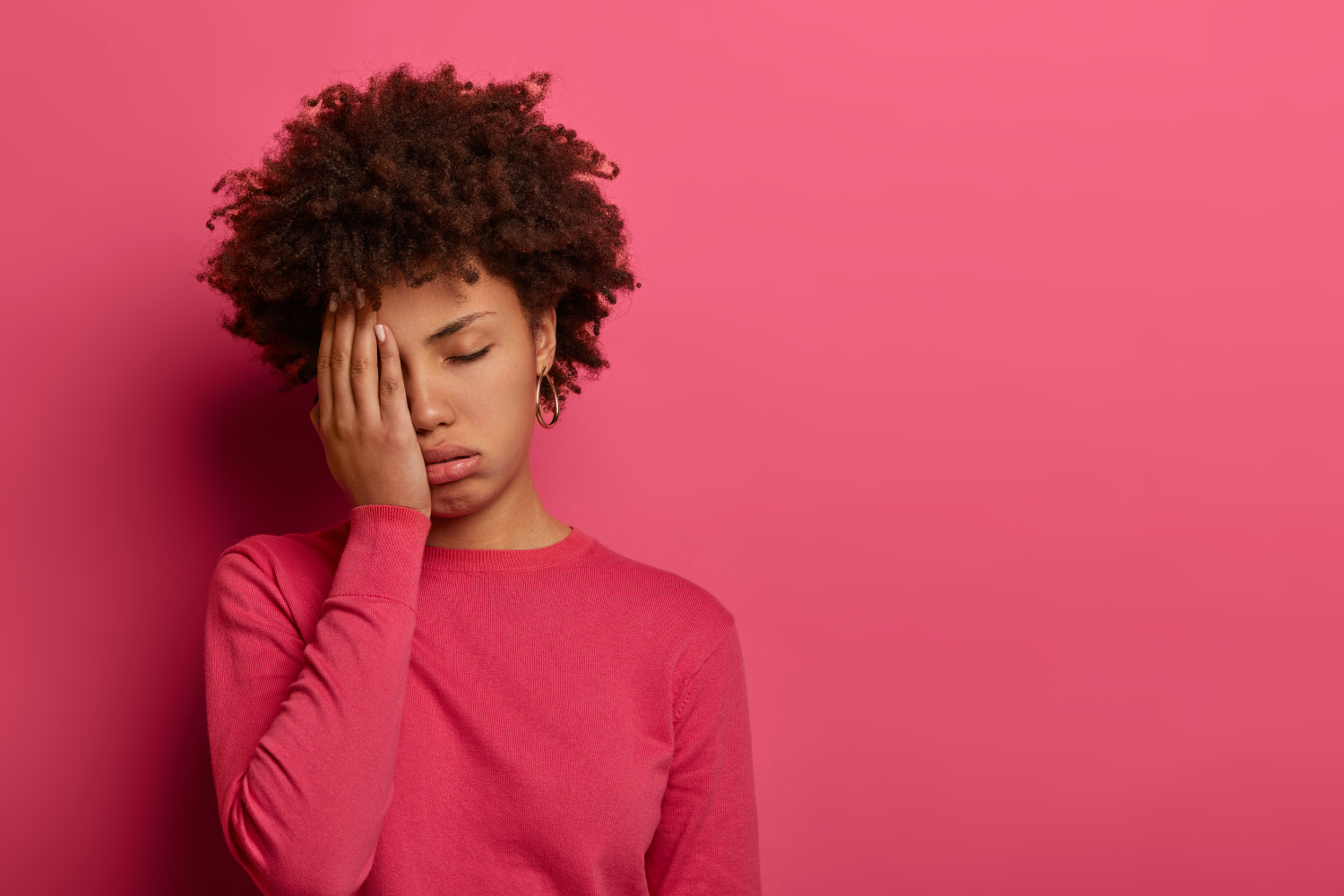
Background Image:
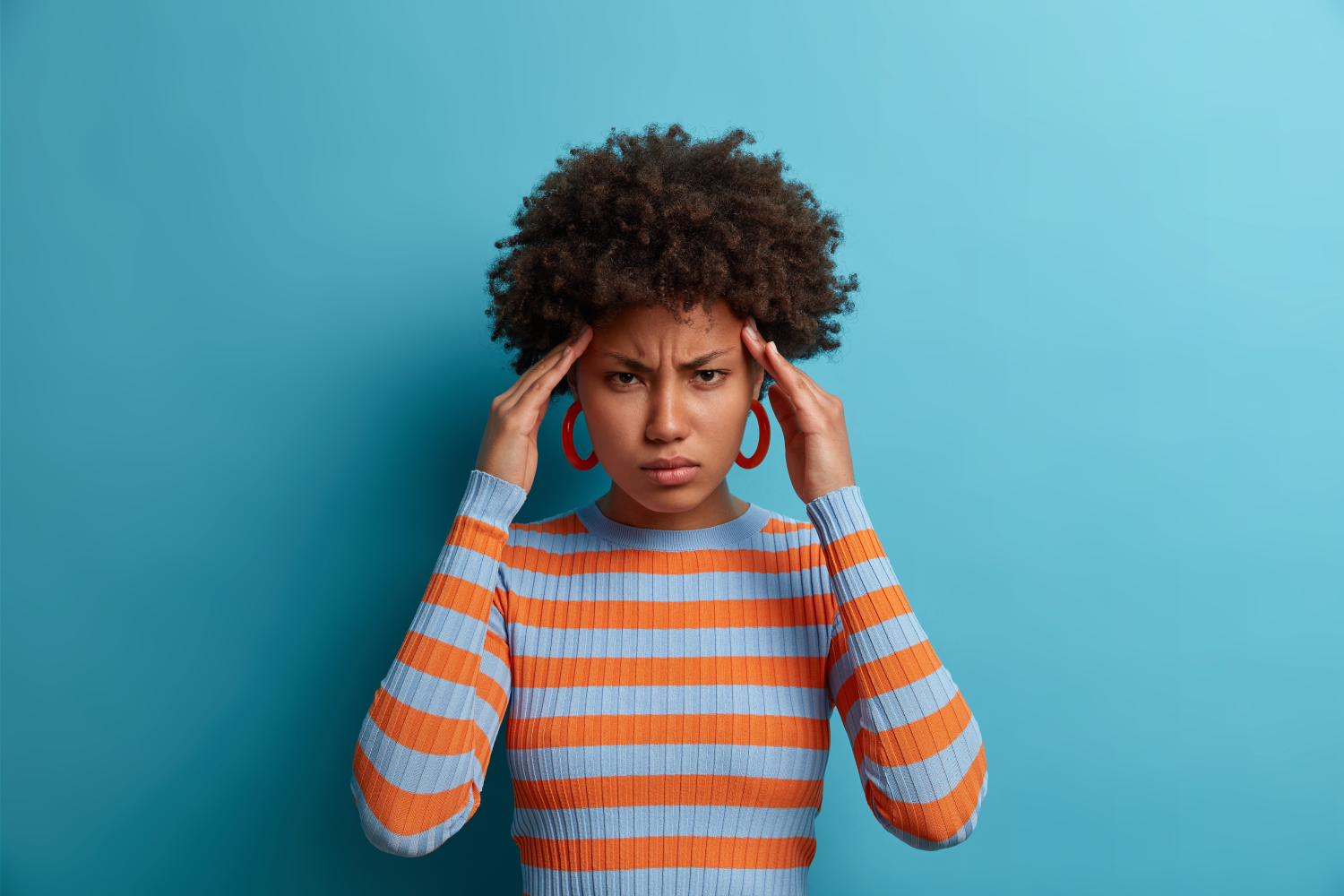
Reduce anxiety and regain serenity effectively
Background Image:

Help your child overcome anxiety and thrive.
Background Image:

Manage generalized anxiety to achieve academic and personal success.
Background Image:

Take back control of your career and well-being in the face of anxiety.
What is Generalized Anxiety Disorder (GAD)?
Generalized Anxiety Disorder (GAD) is a mental health condition characterized by excessive, hard-to-control worry about everyday issues or anticipated events. This worry occurs most days and typically persists for more than six months. People with GAD struggle to prevent their worrying thoughts from interfering with daily life activities. The intensity, duration, or frequency of anxiety is disproportionate to the situation.
Examples:
- In adults, worries may revolve around health, finances, being late, the well-being of loved ones, or professional responsibilities.
- In children and adolescents, worries may concern academic performance or fears of natural disasters.
- In general, people with GAD worry about similar topics as the general population — relationships, family, finances, work, or health — but they may fixate excessively on minor issues or unlikely future events.
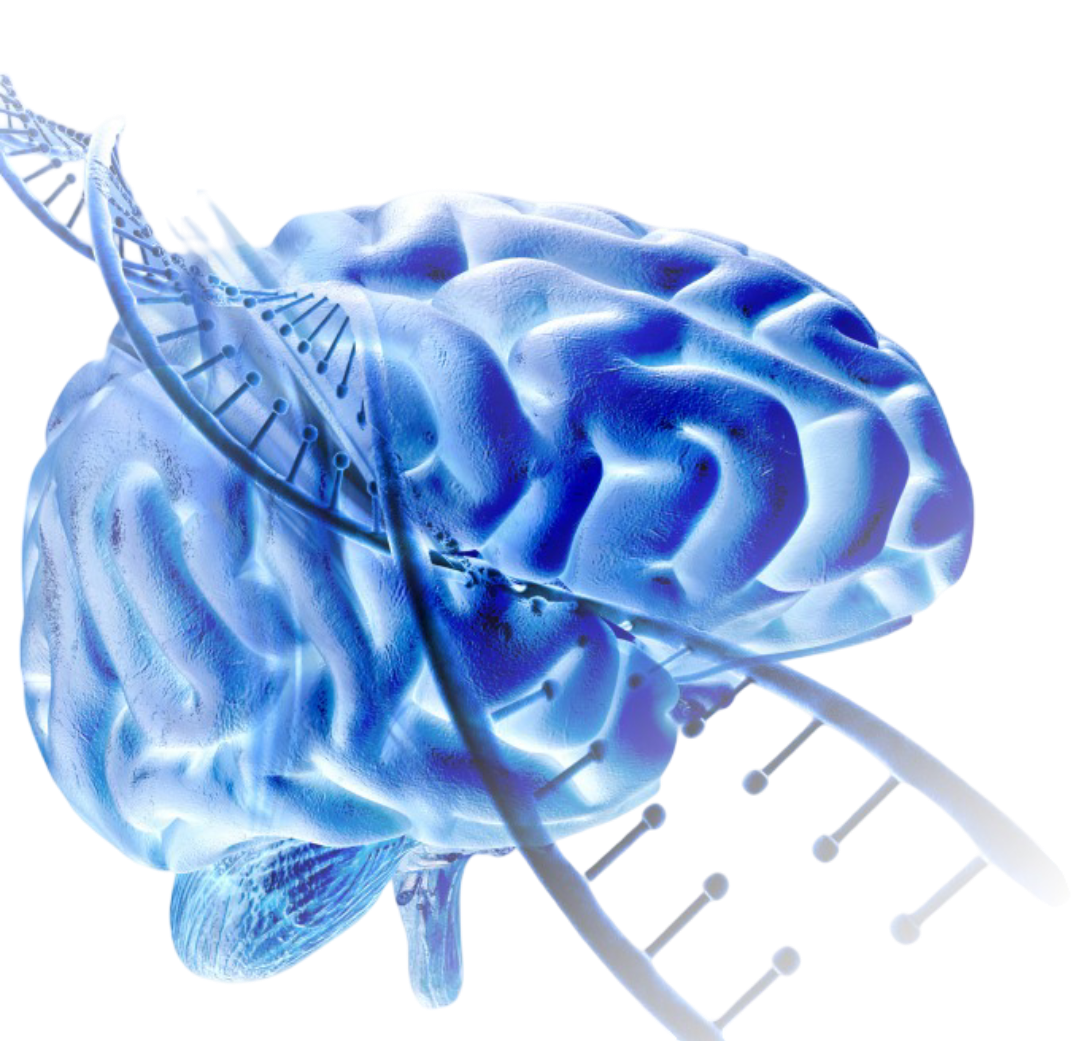
Brain impact: When someone experiences anxiety, brain markers such as hyperactivity can be detected through specific frequency measurements. Certain brain regions, such as hyperactive amygdalae, play a crucial role in activating the nervous system and triggering the anxiety response.
Who is affected by GAD?
Main Image:

- GAD affects about 2.5% of Canadians aged 15 and over, according to a 2017 study published in Health Promotion and Chronic Disease Prevention in Canada (HPCDPC).
- It often begins between adolescence and early adulthood, though many people report anxiety symptoms as early as childhood.
- Symptoms and their impacts evolve with age, potentially affecting academic, professional, and personal life.
Often associated with other challenges:
- GAD can cause moderate to severe psychological distress and functional impairment in daily life. People suffering from both GAD and depression tend to experience significantly worse health outcomes.
- Chronic physical health conditions can also co-occur with GAD and exacerbate symptoms.
Generalized Anxiety: A Daily Challenge
Do you often feel overwhelmed by excessive and persistent worries, struggle to focus, or feel constantly fatigued? Generalized anxiety is a condition that can make each day more demanding and interfere with daily activities. It’s not a matter of willpower — it’s a specific way the brain functions.
Marc, 35, constantly worries about his career and family finances, even when everything is fine, preventing him from relaxing. Meanwhile, Julie, 17, is paralyzed by fear of academic failure, even for minor exams, and struggles with sleep.

Generalized Anxiety: Helping Your Child Find Serenity
Is your child constantly worried, unable to let go of their thoughts, or always “on edge” and struggling to sleep? These challenges can be signs of generalized anxiety, a condition that may affect school concentration, behavior, and self-confidence. As a parent, your concern for their well-being is entirely valid.
Léa, 11, is obsessed with the possibility of illnesses or natural disasters to the point that it disrupts her sleep and makes her irritable at home. Homework takes hours because she can’t focus, and she constantly seeks reassurance from her parents.

Students and Generalized Anxiety: Master Stress to Succeed
Student life can be demanding, and generalized anxiety can turn this period into a real challenge. Between deadlines, exams, and social pressure, intrusive thoughts can become overwhelming, affecting your ability to focus, sleep, and enjoy your student life.
Thomas, 20, is a bright student but constantly worries about his grades and future. His anxiety keeps him awake at night and prevents him from concentrating in class. He often feels overwhelmed and isolated, despite the support of his friends.

Professionals and Generalized Anxiety: Regain Calm and Performance
In today’s professional world, stress is everywhere. But when your worries become excessive, uncontrollable, and start affecting your performance, sleep, and overall well-being, generalized anxiety might be the cause. You strive for excellence but constantly feel overworked or on the verge of burnout.
Sophie, a 42-year-old manager, is brilliant and dedicated, but she spends her nights replaying her responsibilities and deadlines in her mind. This leaves her irritable at work, unable to focus during important meetings, and unable to disconnect on weekends.

Common symptoms of generalized anxiety
Neurofeedback offers a natural, scientifically recognized approach to help regulate brain activity, reduce anxiety intensity, and improve quality of life — without relying on medication. It allows the brain to learn how to function more optimally.
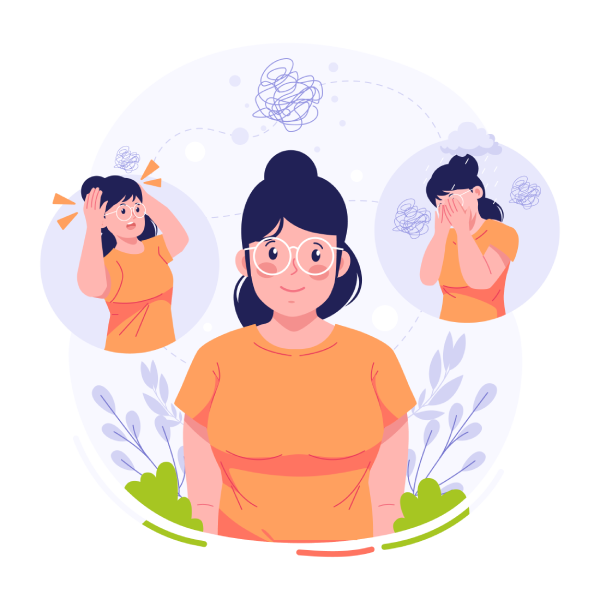
- Excessive and uncontrollable worry about various topics
- Difficulty concentrating or memory lapses
- Fatigability or feeling “on edge”
- Irritability
- Muscle tension
- Disturbed sleep (difficulty falling asleep, interrupted, or restless)
Image Position: Left | Icon: Heart
Common symptoms in children
Neurofeedback helps children better regulate brain activity, reducing worry and anxiety. This approach can enhance concentration, promote peaceful sleep, and boost self-confidence.

- Excessive worries about school, friends, health, or future events
- Difficulty concentrating in class or while doing homework, often leading to forgetfulness
- Agitation, irritability, or easy fatigue
- Sleep problems: trouble falling asleep, frequent awakenings
- Constant seeking of approval or reassurance from adults
- Physical complaints: stomach aches or headaches without medical cause
Image Position: Left | Icon: Heart
Common Symptoms Among Students
Neurofeedback can help regulate attention and reduce the mental pressure caused by anxiety. This approach enables you to fully thrive in your studies and projects by managing stress more effectively and enhancing your concentration.
- Persistent and excessive worries about academic performance, career prospects, finances, or relationships.
- Difficulty concentrating during lectures, study sessions, or when writing papers.
- High stress before deadlines and exams can lead to procrastination or mental blocks.
- Disturbed sleep and fatigue, affecting energy and mental clarity.
- Irritability or muscle tension impacting social interactions.
- Feelings of failure or social isolation.
Image Position: Left | Icon: Heart
Common Symptoms Among Professionals
Neurofeedback helps optimize brain function, enabling better stress management, sharper focus, and greater mental flexibility. Regain a sense of calm that supports your ambition — without the burden of anxiety.
- Excessive worries about performance, projects, work relationships, or finances.
- Difficulty focusing on tasks, making decisions, or planning effectively.
- Increased irritability, muscle tension, or feeling “on edge” at work.
- Disturbed sleep, causing chronic fatigue and reduced work energy.
- Inability to disconnect from professional thoughts, even outside work hours.
- Feeling overworked or unable to delegate, despite ambition.
Image Position: Left | Icon: Heart
How Our Neurofeedback Method Works for Generalized Anxiety
Neurofeedback is a non-invasive approach that trains the brain to self-regulate. Guided by a quantitative EEG (qEEG), we identify markers of brain hyperactivity associated with anxiety and train the corresponding regions and connections to reduce symptoms sustainably.
Find out if neurofeedback can help you
- Meeting with a psychologist to understand your difficulties, triggers, and goals.
- Quantitative EEG to measure anxiety markers and establish a baseline.
- Clear presentation of results, accompanied by qEEG visuals and key focus areas.
- Protocol tailored to your qEEG results and priorities (sleep, rumination, tension, irritability).
- Selection of regions and networks to train (emotional regulation, anxiety, mood, inter-regional communication).
- A structured protocol of approximately 12 sessions, each lasting 45 minutes, conducted by an expert.
- Real-time training of multiple regions simultaneously using the latest generation of equipment.
- Gradual exercises to regulate hyperactivity and enhance communication within brain networks.
- Regular evaluation of progress (symptoms, sleep, focus, stress tolerance).
- Adjustment of training parameters based on your response.
- Reduced anxiety, improved sleep and focus, and greater emotional stability.
- Benefits are generally long-lasting and may continue to strengthen even after the protocol ends.
Votre première séance chez Neuroperforma
Starting a new program can raise many questions. We guide you step by step, in a calm, transparent, and secure environment.
- Meeting with a psychologist to understand your anxiety experience and personal goals.
- Explanation of how the evaluation and neurofeedback sessions are conducted.
- Non-invasive, painless, and with no side effects.
- Analysis of anxiety markers: hyperactivity in specific frequencies, involvement of key regions (including the amygdala), and balance levels between brain regions.
- Clear, visual explanation of your qEEG profile.
- Identification of priorities (rumination, sleep, muscle tension, avoidance vs. confrontation of anxiety triggers).
- Development of a protocol suited to your tolerance and schedule.
- Practical lifestyle recommendations and complementary self-regulation tools, if desired.
Un cadre professionnel
Non-medicated, personalized, and safe approach.
Regular follow-ups and adjustments will be made based on your progress.
qEEG imaging is used to objectively identify training targets.
Note: A qualified physician or psychologist makes the medical or psychological diagnosis. Neuroperforma evaluates your symptoms and proposes a personalized training plan, but does not perform diagnostic acts.
A Recognized Method, Approved by Our Clients
At Neuroperforma, we combine scientific rigor with human support. Our results are validated by research and confirmed by our clients’ feedback.
- Brain markers of anxiety are identifiable via qEEG: hyperactivity in specific frequencies and involvement of regions such as the amygdala.
- Neurofeedback is officially recognized by the Ordre des psychologues du Québec as a technique used by psychologists.
- Neurofeedback is rated a Level 5 intervention for anxiety disorders according to Evidence-Based Practice in Neurofeedback and Biofeedback (2023).
- Noticeable improvements typically occur after 5 to 7 sessions, and most goals are usually reached within 12 sessions. Results are generally long-lasting and may continue to improve even after the training ends.
Framework and Best Practices
- Latest-generation protocols train multiple anxiety-related regions and their connectivity simultaneously.
- Structured monitoring of symptoms (rumination, sleep, muscle tension, irritability, avoidance) with ongoing adjustments.
- Complementary approach alongside traditional care (CBT, sleep hygiene, breathing, meditation, psychotherapy). Medication can be maintained and reevaluated by your physician.
FAQ – Generalized Anxiety & Neurofeedback
How can I tell if it’s normal stress or generalized anxiety?
Stress is a proportionate reaction to a real situation — it subsides once the event passes.
Generalized anxiety manifests as excessive, persistent worries that are difficult to control, often accompanied by muscle tension, restlessness, rumination, sleep problems, and irritability. It interferes with daily life (studies, work, family) for weeks or months.
Can neurofeedback really help with anxiety?
Yes. Quantitative EEGs can detect brain markers of anxiety. Neurofeedback trains the regions and networks involved to reduce brain hyperactivity. It is rated as a Level 5 intervention for anxiety disorders by Evidence-Based Practice in Neurofeedback and Biofeedback (2023).
How many sessions before seeing improvement?
Many clients notice reduced anxiety after 5 to 7 sessions. A standard program includes around 12 sessions, which often lead to achieving the desired goals. In many cases, clients continue to experience improvements even after completing their training.
Does neurofeedback replace therapy or medication?
Not necessarily. It is complementary. You can continue CBT, breathing exercises, meditation, or pharmacotherapy as recommended by your physician. Neurofeedback trains the brain’s electrical activity, while psychotherapy addresses thoughts and behaviors, and medication affects brain chemistry.
Is it painful or risky?
No. It’s non-invasive and painless. Sensors placed on the scalp record brain activity to provide real-time feedback. Sessions take place in a calm environment, and there are no known side effects associated with EEG measurement.
What does quantitative EEG measure in anxiety?
It highlights hyperactivity markers in specific frequency bands and the involvement of key regions like the amygdala. This helps build a personalized protocol to train emotional regulation and inter-regional communication.
What is a typical session like?
- Comfortable setup, sensors placed on the scalp.
- Real-time training of multiple regions simultaneously.
- Objective: calm hyperactivity, improve functional connectivity, strengthen calm focus.
- Typical duration: around 50 minutes.
Do the results last?
Yes. The benefits are generally long-lasting; the trained brain capacities can continue to optimize after the protocol ends. Maintaining healthy habits (sleep, exercise, breathing) supports long-term stability.
I’m a parent — how does it help my teen?
- Objective measurement of the anxious brain profile via qEEG.
- Focus on sleep, rumination, muscle tension, and calm attention.
- A concrete tool to reduce anxiety load and improve academic concentration, alongside healthy stress management habits.
I’m a student — is it compatible with a busy schedule?
Yes. Sessions last about 50 minutes. Many students plan one to three sessions per week. The goal is to improve focus, sleep, and recovery, thereby enhancing academic performance.
I’m a professional — how is it useful?
Neurofeedback targets the overreactivity of alert networks, improves regulation under pressure, sleep, and mental clarity. It helps reduce burnout caused by rumination and tension while maintaining high performance.
Should I stop taking my medication?
No. Never change your treatment without medical advice. Neurofeedback can be combined with medication and psychotherapy. Any adjustments should be discussed with your physician.


📊 No social proof configured yet
Add titles and content using the block settings on the right.