Background Image:
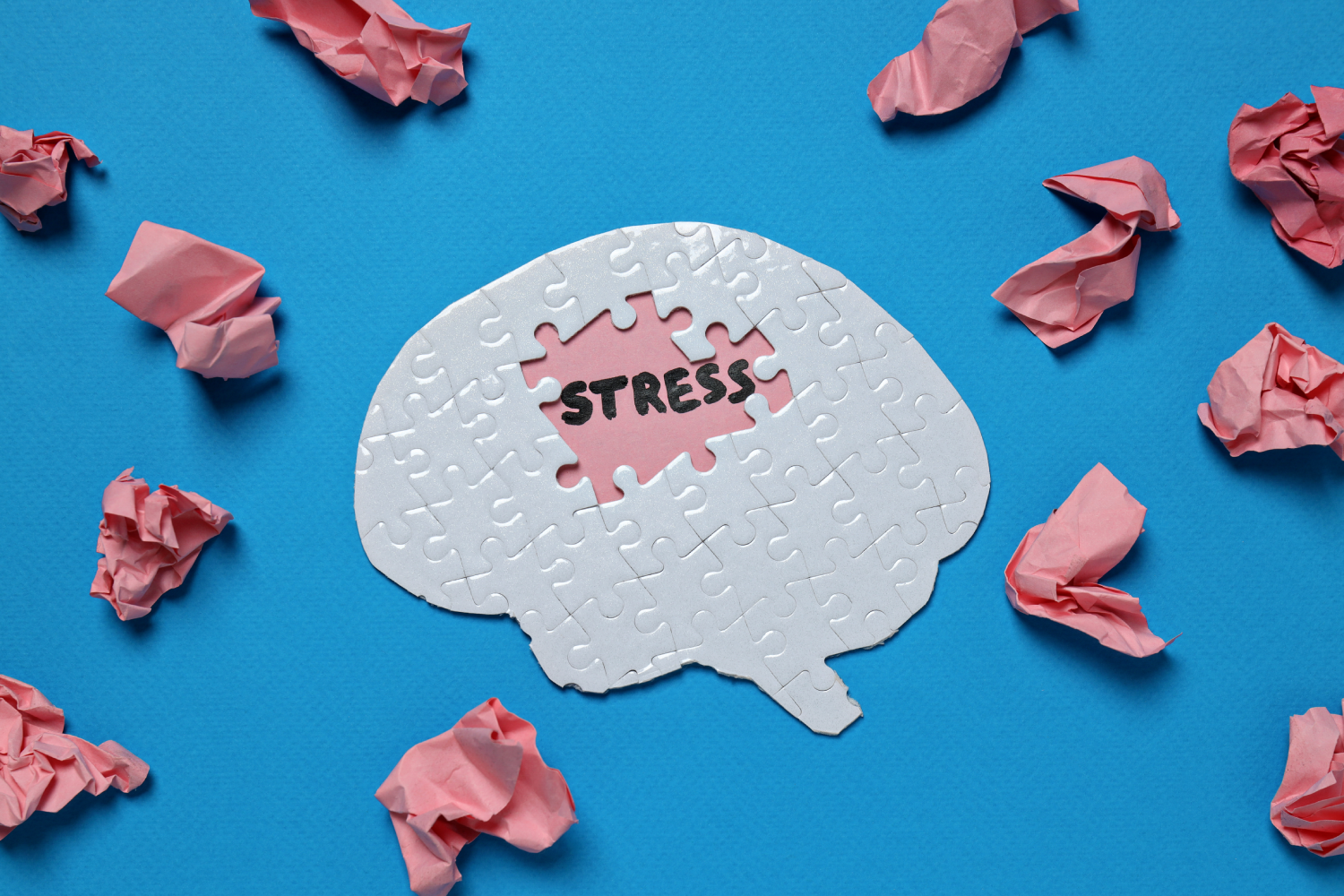
Reduce Chronic Stress – Effective, Drug-Free Neurofeedback
Background Image:

Help Your Child Regain Peace and Joy
Background Image:

Regain Calm and Performance Under Pressure
Background Image:

Master Your Stress and Unlock Your Potential
What Is Chronic Stress?
Stress is a natural physiological response of the body to new or demanding situations — whether pleasant or unpleasant. It helps us adapt, but when it becomes too intense or lasts too long, it can turn into chronic stress, posing a serious threat to our physical and mental health. The fast pace of modern life exposes more and more adults to chronic stress, anxiety, and mental fatigue.
Your body reacts to stress in several stages:
- Energy mobilization: The body releases adrenaline; the heart beats faster, and breathing quickens.
- Use of energy reserves: If stress persists, the body draws on its reserves, leading to fatigue, anxiety, memory lapses, and greater vulnerability to illness. You may also feel tempted to consume more coffee, tobacco, or alcohol.
- Energy depletion: Without intervention, the body becomes exhausted. This can manifest as insomnia, poor judgment, personality changes, and even serious illnesses such as heart or mental disorders.
Symptoms of Chronic Stress
Main Image:

The signs of chronic stress vary and can affect multiple aspects of life:
- Physical: headaches, muscle tension, gastrointestinal problems, significant sleep difficulties, marked fatigue, exhaustion, or changes in appetite and weight.
- Psychological and emotional: irritability, sadness or guilt, persistent worry, feeling overwhelmed, pessimism, loss of interest or pleasure.
- Behavioral: difficulty concentrating or making decisions, excessive nervousness, social withdrawal, frequent crying, aggression, or increased use of alcohol, drugs, or medication.
Who Is Affected?
Main Image:

Stress is a universal experience. Whether you’re a parent, young adult, or professional, you may be affected:
- Parents: Children and teens can also experience stress and anxiety, which may affect their sleep, eating habits, relationships, and daily activities. A child can even absorb their parents’ stress.
- Young adults: In Quebec in 2021, 26.7% of 18–34-year-olds reported feeling quite or highly stressed, according to Statistics Canada. This period is often associated with concerns about studies, the future, social connections, and integration.
- Professionals: Adults face increasing challenges. The proportion of people experiencing high stress peaks among those aged 35–49 (38.9% of women and 26.4% of men in Quebec, 2021), according to Statistics Canada.
Intense stress can cause biochemical changes that weaken the immune system, making the body more susceptible to heart, intestinal, or mental illnesses. It can also complicate diabetes management and is a known risk factor for substance abuse.
Reduce Chronic Stress with Neurofeedback
Parent, student, or professional under pressure: persistent stress can drain you — causing unstable sleep, irritability, muscle tension, overthinking, or trouble disconnecting. The nervous system can stay stuck in alert mode. Train your brain to self-regulate through neurofeedback.
💬 No user stories added yet
Add testimonials using the block settings on the right.
Expected Benefits of Neurofeedback

- Calming the overactive alert system and anxious brain.
- Improved sleep, recovery, and focus.
- Reduced rumination, irritability, and muscle tension.
- Helps restore lasting calm and better stress tolerance.
- A non-invasive, personalized, and safe method guided by a team of specialists.
Image Position: Left | Icon: Heart
Help Your Child Regain Serenity
Being a parent also means sharing in your child’s worries. When stress becomes overwhelming for your child or teen, it can disrupt their sleep, appetite, relationships, and daily activities.
Émilie and Marc, parents of a 9-year-old boy, are concerned because their son is often restless, struggles to sleep, and complains of stomachaches before school, making mornings difficult.

Benefits of Neurofeedback for Children
Neurofeedback helps children better regulate their attention and energy while supporting emotional balance — giving parents renewed hope for their child’s well-being.
- Reduces anxiety-related brain hyperactivity, promoting inner calm.
- Decreases irritability, tantrums, and emotional reactivity.
- Improves falling asleep and deep sleep (fewer nighttime awakenings), leading to better recovery.
- Reduces intrusive thoughts and rumination, especially at bedtime.
- Enhances focus and attention in class; reduces distractibility.
- Improves working memory and academic performance.
- Builds greater stress tolerance in social and school situations (exams, routine changes).
Image Position: Left | Icon: Heart
Manage Stress to Succeed Better
In university, college, or at the start of your career, pressure can be intense. Stress can make organization, time management, and relationships difficult, leaving you feeling out of sync with others.
William, 22, initiates numerous university projects but struggles to complete them, often feeling overwhelmed by deadlines. He experiences high stress and struggles to focus during classes.

Benefits of Neurofeedback for Young Adults
Neurofeedback helps improve attention regulation and ease mental pressure, empowering young adults to thrive in their studies and personal projects.
- Reduces brain hyperactivity and background anxiety; promotes a calmer mind.
- Improves sleep: faster sleep onset, fewer awakenings, and deeper recovery.
- Enhances concentration and mental clarity.
- Increases stress tolerance in high-pressure situations (such as exams, interviews, and presentations).
- Stabilizes mood and reduces irritability.
- Improves emotional regulation: quicker return to calm after stress spikes.
- Boosts daytime energy and reduces fatigue caused by poor-quality sleep.
- Improves organization, consistency, and productivity (less stress-related procrastination).
Image Position: Left | Icon: Heart
Regain Calm and Performance Under Pressure
In today’s demanding work environment, chronic stress, anxiety, and mental fatigue have become modern challenges. Maintaining balance and optimal performance under constant pressure is no small feat.
Marc, a manager under high pressure, struggled to regain mental balance. Neurofeedback helped him better handle unexpected challenges, sharpen his mental clarity, and improve his work performance.

Benefits of Neurofeedback for Professionals
Neurofeedback helps regulate brain regions involved in stress, enhancing resilience, focus, and mental clarity—essential qualities for today’s professionals.
- Reduces brain hyperactivity and background anxiety; promotes a calmer mind.
- Improves sleep: faster onset, fewer awakenings, better recovery.
- Enhances concentration and mental clarity (for studies or work); less “mental fog.”
- Increases stress tolerance in performance situations.
- Stabilizes mood and reduces irritability.
- Improves emotional regulation: quicker recovery to calm after stress peaks.
- Reduces physical manifestations of stress (muscle tension, headaches, digestive issues).
- Boosts daytime energy and reduces fatigue associated with non-restorative sleep.
- Improves organization, consistency, and productivity (less stress-induced procrastination).
- Strengthens self-confidence and sense of control.
Image Position: Left | Icon: Heart
How Our Neurofeedback Method Works for Chronic Stress
Neurofeedback trains your brain to exit “constant alert mode” and return to a calmer, more flexible state. Guided by quantitative EEG (qEEG), our team identifies hyperactivation markers linked to stress and trains the related brain regions and networks to reduce symptoms sustainably.
Find out if neurofeedback can help you
- Clinical interview: history, stress factors, sleep patterns, rumination, physical tension, daily performance.
- Quantitative EEG (qEEG): measures frequency bands and neural networks involved (e.g., hyperactivity in vigilance-related regions or connectivity imbalances).
- Baseline & goals: defined based on issues such as daytime drowsiness, irritability, sleep quality, and concentration.
- Developed according to your qEEG profile and priorities (sleep, rumination, irritability, mental clarity).
- Selection of brain regions and protocols targeting emotional regulation, calm focus, and inter-regional balance.
- Optional complementary tools: breathing techniques, sleep hygiene, anti-rumination routines.
- Typical frequency: 1–3 sessions per week, about 50 minutes each.
- Real-time training of multiple brain regions using next-generation equipment.
- Objective: reduce hyperactivation, improve functional connectivity, and strengthen calm alertness.
- Regular measurement of progress (sleep quality, tension level, rumination, irritability, concentration).
- Adjustment of training parameters based on your clinical response.
- Lower perceived stress, more stable sleep, fewer ruminations and physical tensions.
- Results are typically long-lasting and may continue to improve after the program ends.
Your First Session at Neuroperforma
Starting a program to manage ongoing stress can raise questions. Our team guides you every step of the way in a calm, transparent, and supportive environment.
- Meet with a trained psychologist or clinician to gain a deeper understanding of your experience and goals.
- Clear explanation of the process and answers to your questions.
- Non-invasive, painless measurement of brain activity.
- Analysis of markers linked to stress and anxiety (e.g., overactive frequencies, alert system involvement, inter-regional balance).
- Clear, visual explanation of your profile.
- Prioritization of focus areas: sleep, rumination, muscle tension, irritability, mental clarity.
- Protocol adapted to your tolerance, schedule, and primary objectives.
- Optional practical tips (breathing, sleep hygiene, recovery routines).
Garanties u0026 réassurance
Non-medicated, personalized, and safe method.
qEEG imaging to objectively define training targets.
Regular follow-ups and adjustments will be made based on your progress.
Note: A physician or psychologist performs a medical diagnosis. Neuroperforma evaluates your symptoms and provides a training plan but does not issue a medical diagnosis.
Proven Effectiveness, Earned Trust
Neuroperforma combines science and personalized care. Scientific research supports our approach, and client testimonials confirm its results.
Scientific Evidence
- Brain markers of stress and anxiety can be identified through qEEG: overactivity in specific frequency bands and regions, including alert systems such as the amygdalae.
- Neurofeedback is officially recognized by the Ordre des psychologues du Québec as a technique used by psychologists.
- According to Evidence-Based Practice in Neurofeedback and Biofeedback (2023), neurofeedback is rated as a Level 5 intervention (the highest) for anxiety disorders.
- Noticeable improvements are often felt after 5 to 7 sessions, and completing around 12 sessions usually allows clients to achieve their desired goals. Benefits are typically long-lasting and can continue to improve even after the training ends.

FAQ – Chronic Stress & Neurofeedback
How can I distinguish between normal stress and chronic stress?
Normal stress is a short-term response to a specific situation that subsides once the event has passed.
Chronic stress is a prolonged state of alert lasting weeks or months, often with disturbed sleep, constant worry, irritability, muscle tension, fatigue, and concentration issues. When it starts to impact family, school, or work life significantly, it’s time to take action.
How can neurofeedback help with chronic stress?
Quantitative EEG (qEEG) reveals brain markers of hyperactivation. Neurofeedback trains, in real time, the regions and networks involved in the alert system and emotional regulation to:
- reduce hyperactivation,
- improve functional connectivity,
- promote calm alertness and greater stress tolerance.
Is it recognized for stress-related anxiety disorders?
Yes. Neurofeedback is rated as a Level 5 intervention (highest level) for anxiety disorders by Evidence-Based Practice in Neurofeedback and Biofeedback 2023.
Since chronic stress shares many mechanisms with anxiety, this approach is highly relevant.
How many sessions will it take before I notice improvements?
Many clients report feeling better after 5 to 7 sessions (more stable sleep, fewer ruminations).
A complete protocol typically includes 12 sessions, and the benefits are known to be long-lasting.
Does neurofeedback replace psychotherapy or medication?
No, it is complementary:
- Psychotherapy works on thoughts, emotions, and behaviors.
- Neurofeedback trains electrical activity and network connectivity.
- Medication acts on brain chemistry. Any medication changes should always be discussed with your doctor.
Are there any side effects or risks?
Neurofeedback is non-invasive and painless. EEG recording has no known side effects.
Always inform the team of any specific condition so the approach can be adapted if necessary.
Should I stop consuming caffeine, alcohol, or using screens?
No strict ban, but:
- Limiting caffeine and alcohol helps improve sleep and recovery.
Reducing evening screen time helps stabilize the biological clock.
These habits enhance neurofeedback results.
Can I continue exercising, meditating, or practicing breathing techniques?
Yes. Exercise, breathing, and meditation are complementary practices that support the regulation of the nervous system.
They can be included in your personalized progress plan.


📊 No social proof configured yet
Add titles and content using the block settings on the right.