Background Image:
Reduce concussion symptoms without medication – Effective Neurofeedback
Background Image:

Regain your full performance after a concussion
Background Image:

Regain control faster after a concussion
Background Image:

Manage post-concussion symptoms and regain mental clarity
What is a concussion?
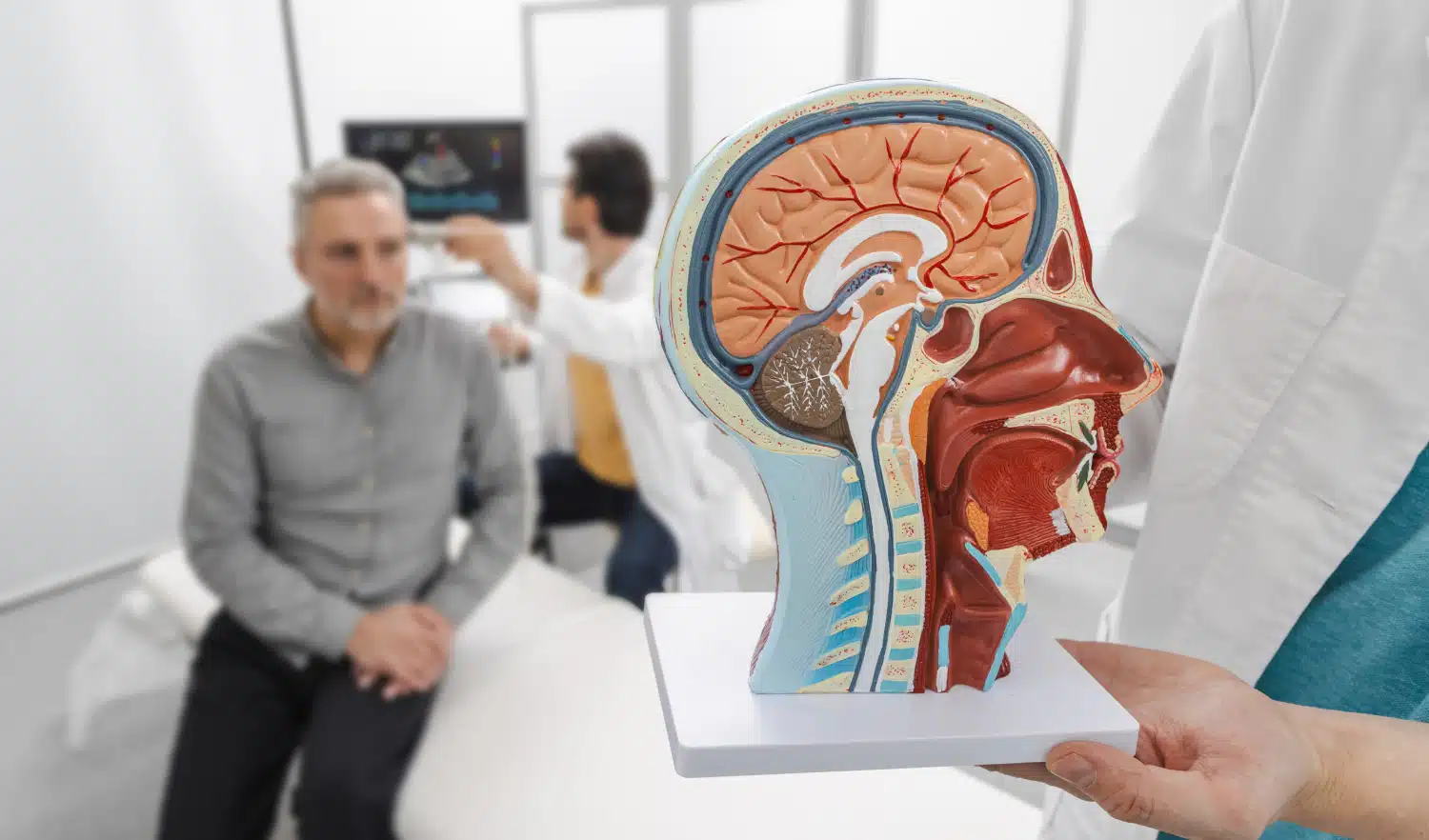
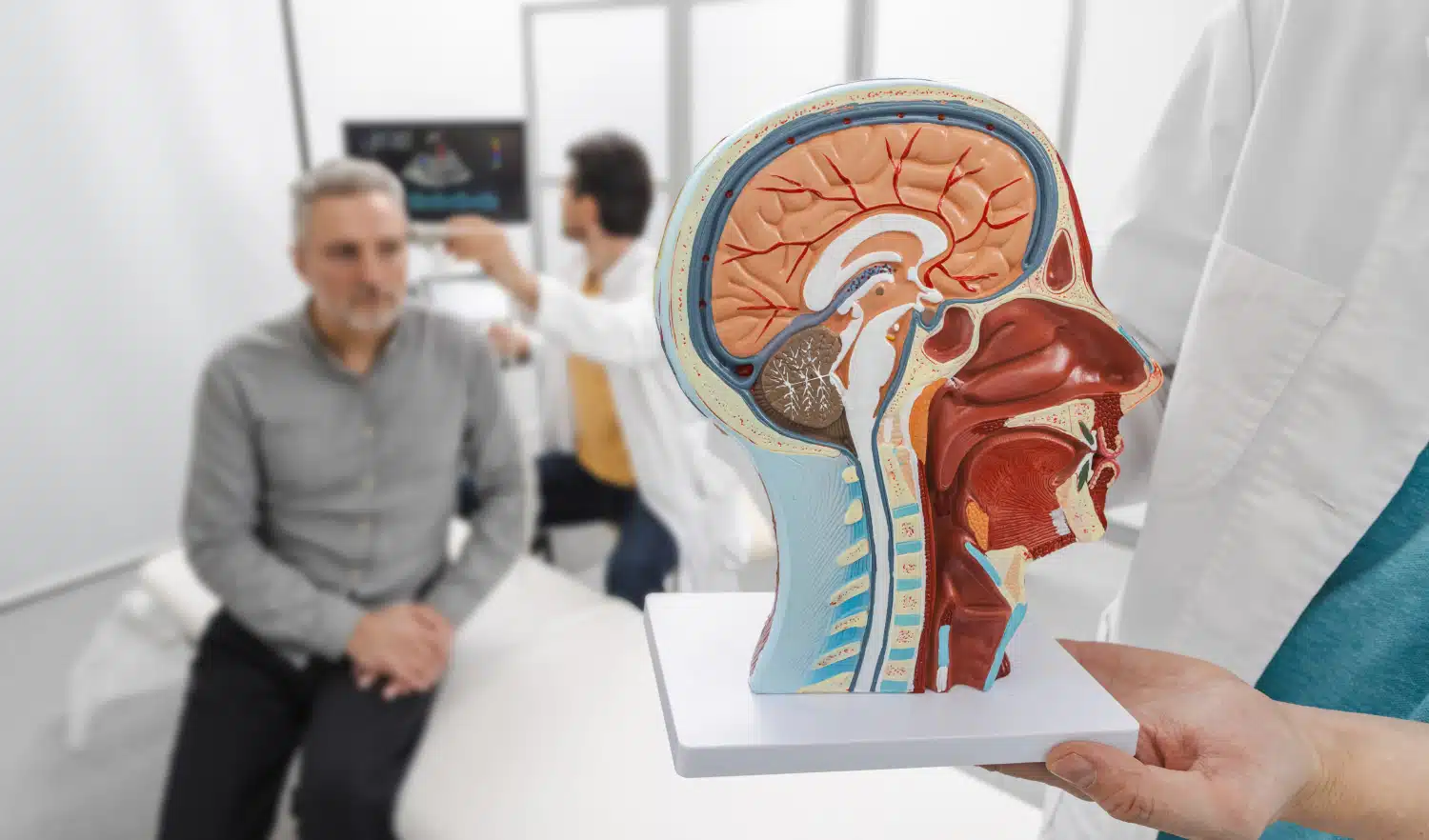
A concussion, also known as a mild traumatic brain injury (mTBI), is an invisible brain injury. It occurs after a blow to the head or a body impact that causes the brain to move abruptly inside the skull. Unlike other traumatic injuries, concussions typically don’t cause structural damage visible on standard imaging (such as MRI or CT scans). Still, they can lead to a wide range of symptoms, some of which last for weeks or even months.
A concussion alters how you think and feel and doesn’t always involve a loss of consciousness. Neurofeedback is a non-invasive method designed to train the brain to optimize its electrical activity, targeting regions involved in attention, organization, and emotional regulation, thereby sustainably reducing symptoms.
Who is affected? Concussion is the most common type of traumatic brain injury, affecting both children and adults — especially younger individuals. In Quebec alone, more than 45,000 people sought medical attention for concussions in 2019, and this number has been steadily increasing since 2008.
Good to know: Most people recover within 10 days to 4 weeks, but up to 15% experience ongoing symptoms for more than three months after the trauma.
Main causes of concussion
Main Image:

- Sports and physical activities: football, hockey, rugby, soccer, and sliding sports carry increased risks due to the frequency of collisions and impacts.
- Falls: One of the most common causes, particularly among children and the elderly.
- Traffic accidents: Car or bicycle crashes can cause concussions due to sudden impacts.
- Work-related injuries: Especially in construction and industrial sectors, where falling objects or equipment collisions can occur.
Common challenges associated with concussion
Main Image:

Most people recover within 10 days to 4 weeks, but up to 15% experience ongoing symptoms for more than three months after the trauma. Symptoms may appear up to 48 hours post-impact. Repeated concussions can even lead to long-term neurological issues, such as chronic traumatic encephalopathy (CTE), commonly seen in athletes.
Common challenges include:
- Cognitive difficulties: Memory, attention, or focus issues; feeling slowed down or in a “mental fog.”
- Emotional and behavioral issues: Irritability, anxiety, sadness, depression, mood swings.
- Physical symptoms: Headaches (mild to severe), dizziness, nausea, vomiting, sensitivity to light or noise, fatigue, blurred vision, and sleep disturbances.
Reduce persistent concussion symptoms with neurofeedback
Whether you’re an athlete eager to get back in the game, a worker seeking to regain full capacity, or an adult dealing with lingering post-impact symptoms, living with the aftereffects of a concussion can make every day more demanding. Poor concentration, fatigue, anxiety, or headaches — these challenges result from a brain still struggling to self-regulate after trauma. Neurofeedback offers an innovative, non-invasive way to help your brain regain balance by training it to function more efficiently.
“Without Neuroperforma, I would never have recovered so quickly.”
Regain your full performance after a concussion
You’ve taken a hit to the head during hockey, football, or skiing — and now the fear of not regaining your pre-injury level weighs on you? Concussions are common in sports, and their effects can impact your reaction times, focus, and even mood. You’re not alone in feeling this frustration.
“Without Neuroperforma, I would never have recovered so quickly.”
Regain control at work after a concussion
An accident at work, a fall, or an impact has caused a concussion — and now your focus, memory, and mental endurance are struggling? It’s normal to feel slowed down and unsure about your ability to return to your duties safely and efficiently.
“The sessions at Neuroperforma changed our daily life — more focus, less anxiety, and a true quality of life regained.”
Overcome mental fatigue and brain fog after a concussion
Whether it’s after a head impact or ongoing neurological symptoms, brain fog, exhaustion, and focus difficulties can make everyday life feel overwhelming. These often invisible symptoms can affect your personal life, relationships, and work performance. Neurofeedback can help target these brain imbalances to optimize your brain’s function.
“I thought it was just a lack of willpower. Discovering neurofeedback helped me understand my strengths and regain mental clarity every day.”
Known benefits of neurofeedback:
This non-invasive method trains the brain to optimize its electrical activity.
- Improves concentration and sustained attention, reducing “brain fog.”
- Decreases chronic fatigue and persistent headaches.
- Reduces anxiety, irritability, and mood instability.
- Promotes better sleep and improved stress regulation.
- Optimizes brain functions for lasting, medication-free results.
Key stat: According to clinical research presented at the 2013 ISNR Conference, neurofeedback showed positive effects on multiple symptoms associated with traumatic brain injury.
Image Position: Right | Icon: Heart
Neurofeedback benefits for athletes:
Neurofeedback is recognized as a practical approach to support brain recovery after traumatic injury and is used by the U.S. Army for soldiers suffering from concussions and PTSD.
Example: Marc, a 20-year-old hockey player, struggled to focus on the ice and experienced dizziness after a hit. After completing a neurofeedback program, he regained his sharpness, confidence, and game anticipation, safely returning to play.
- Enhances concentration and quick decision-making on the field.
- Improves reaction time and coordination.
- Reduces performance anxiety and fear of re-injury.
- Promotes a faster, safer, and more sustainable return to play by strengthening brain resilience.
- Alleviates headaches and post-concussion fatigue.
Image Position: Right | Icon: Heart
Common symptoms in professionals:
Neurofeedback offers a natural way to rebalance brain activity, enabling you to overcome these challenges and return to work with greater calmness and efficiency.
Example: Paul, a 45-year-old carpenter, had trouble remembering instructions and staying alert after a fall. His headaches and fatigue made every day difficult. With neurofeedback, he regained mental clarity, better focus, and the confidence to perform his work precisely and safely.
- Difficulty maintaining focus on complex or repetitive tasks.
- Memory and task organization problems.
- Mental and physical fatigue reduce endurance.
- Irritability or mood swings affecting workplace relationships.
- Persistent headaches or dizziness.
Image Position: Right | Icon: Heart
Common symptoms among affected adults:
Neurofeedback directly targets your brain’s electrical activity to rebalance its functions, offering a natural and lasting path to renewed vitality and well-being.
Example: Chloe, 35, felt constantly tired and unable to focus on reading or conversations after her concussion. The challenges grew worse, leaving her feeling disconnected. Through neurofeedback, she regained her mental clarity, energy, and the joy of being fully present in her life again.
- Persistent fatigue and brain fog (focus and memory difficulties).
- Recurring headaches, light, and noise sensitivity.
- Anxiety, irritability, or unexplained mood changes.
- Poor sleep and non-restorative rest.
- Difficulty managing daily tasks and organization.
Image Position: Right | Icon: Heart
How our neurofeedback method works after a concussion
Neurofeedback is a non-invasive approach that helps the brain self-regulate after a traumatic injury. When scans or MRIs appear normal but symptoms persist, quantitative EEG (qEEG) helps identify functional deviations (overactive or underactive regions) to guide a targeted training plan. Goal: Reduce symptoms and promote a sustainable return to your daily activities.
- Clinical interview and questionnaires addressing symptoms (headaches, dizziness, concentration/memory problems, sleep, light/noise sensitivity, anxiety, irritability).
- High-resolution 3D qEEG mapping to identify brain networks showing irregular activity.
- Designed by a licensed psychologist trained in neurofeedback, based on your brain profile and goals (e.g., cognition, sleep, emotional regulation, sensory sensitivity).
- 12 neurofeedback sessions of 50 minutes per issue.
- Real-time feedback trains dysregulated brain networks (attention/memory, sleep, mood/anxiety, visual processing) toward optimal performance.
- Regular progress reviews and protocol adjustments based on evolving symptoms and goals.
- Gradual stabilization of brain networks, with lasting effects after the program — improving daily tolerance and resilience.
How Your First Session Works
We understand that after a concussion, every detail matters. Our approach is step-by-step, straightforward, and completely painless.
Meeting with a psychologist qualified in neurofeedback. Listening to your story (date of the impact, progression, triggers, school/professional/sport-related challenges).
Non-invasive measurement of brain electrical activity (no pain, no side effects). Analysis of hypoactive/hyperactive regions linked to your symptoms.
Clear and accessible explanation of qEEG findings. Joint definition of priority goals and progress indicators.
Proposal of a neurofeedback training plan tailored to your brain profile and personal objectives. Possible coordination with other care providers.
What's Included
Detailed qEEG report
included in the initial evaluation.
Non-invasive
and complementary to traditional treatments.
Team trained
to support athletes, students, and active adults recovering from concussions.
Regular follow-ups
progressive adjustments, and consideration of fatigue and cognitive tolerance.
An Approach Based on Objective Measurements and Proven Experience
Scientific evidence
At Neuroperforma, we connect your symptoms to measurable functional markers (qEEG) and train the specific networks involved.
- 85% of structural imaging exams are normal despite lingering effects; qEEG highlights functional deviations correlated with symptoms.
- ISNR 2013 Presentation (D. Foster et al.) on veterans with TBI/PTSD: neurofeedback is likely the most effective approach for treating residual symptoms of brain trauma.
- Neuroperforma uses the same devices and software as those owned by the U.S. Army for soldiers recovering from brain injuries.
Recognition & partnerships:
- Protocols aligned with clinical neurofeedback and applied neuroscience standards.
- Possible collaboration with your healthcare providers (doctor, neuro/physio/ergo, school, employer) for a safe and gradual return to activities.
- The Order of Psychologists of Quebec officially recognizes Neurofeedback as a technique used by licensed psychologists.
Recognition & partnerships
- Professional certifications and affiliations in neurofeedback, neuroscience and psychology.
- Presence in media and specialized events in mental health and neurotechnologies.
FAQ – Concussion & Neurofeedback
What are common symptoms?
- Headaches, dizziness
- Concentration or memory difficulties
- Blurred vision, light sensitivity
- Fatigue, drowsiness
- Sleep disturbances
- Irritability, anxiety, or depressed mood
Note: Even if a CT or MRI scan appears normal, there may still be disturbances in brain activity, according to neurologist Dr. Jonathan Walker.
Why do symptoms sometimes persist?
After a brain injury, certain brain areas can become hyperactive or hypoactive. This disrupts communication between neural networks, which can lead to sustained attention, sleep, or mood disorders.
What is neurofeedback?
It’s a non-invasive brain training method that measures brainwave activity through sensors placed on the scalp. In real-time, specialized software guides the brain toward a more balanced state. Goal: reduce symptoms and improve cognitive and emotional performance.
Is neurofeedback painful or risky?
No.
- Completely painless – the sensors only record brain activity.
- No known side effects – it’s a gentle and safe approach.
How long before results appear?
Improvements are often noticeable after 5 to 7 neurofeedback sessions, and approximately 12 sessions are typically required to resolve a specific issue. The total number of sessions varies depending on the severity of the case.
Does neurofeedback replace other treatments?
No. It can complement physiotherapy, vestibular rehabilitation, psychotherapy, or medication. Neurofeedback acts directly on the brain’s electrical activity, whereas other methods target the body or thoughts.
What benefits can I expect?
- Reduced headaches and fatigue
- Improved concentration and memory
- Better sleep
- Less anxiety and irritability
- Faster return to sports, work, or social life


Clinical research
According to clinical research presented at the 2013 ISNR Conference, neurofeedback showed positive effects on multiple symptoms associated with traumatic brain injury.
“Without Neuroperforma, I would never have recovered so quickly.”