Background Image:

Regain your energy and mental clarity after long COVID – Effective Neurofeedback
Background Image:
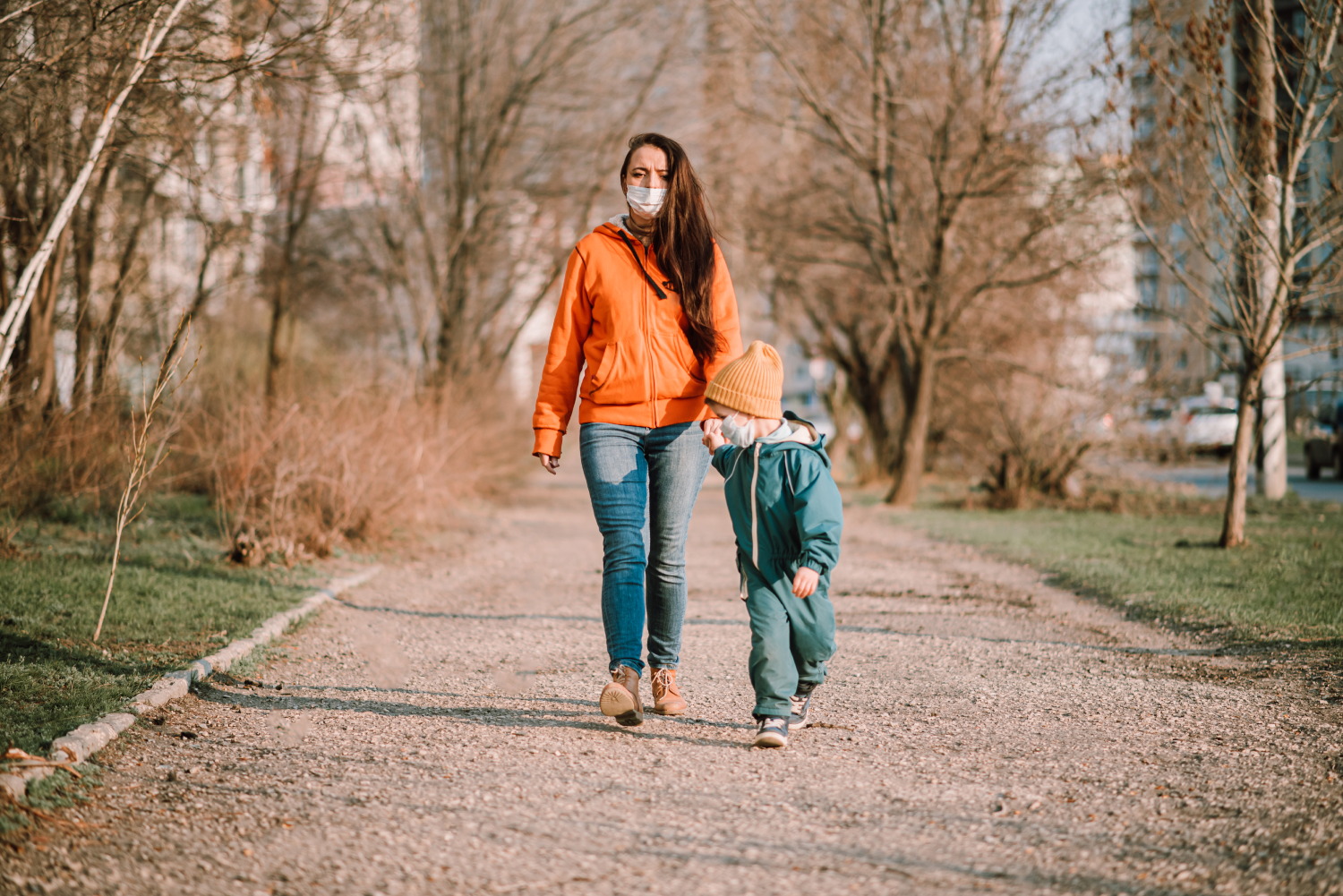
Restore your vitality to care for your family after long COVID-19
Background Image:

Take back control of your career and reduce persistent mental fatigue.
Background Image:

Enhance your studies and overcome long COVID-related brain fog.
What is long COVID?
Most people recover from COVID-19 within 2 to 4 weeks. However, about 10–15% of cases experience symptoms beyond this period, marking the onset of long COVID. In Canada, roughly 1.4 million adults reported persistent symptoms three months or more after infection. This is not a matter of willpower, but a condition that profoundly affects how your body and brain function.
Who is affected?
Main Image:

Long COVID can affect both children and adults, with symptoms varying widely between individuals, sometimes appearing and disappearing. Women, those with more severe initial infections, and individuals with underlying chronic conditions are at higher risk. Adults with a history of mental health or chronic neurological conditions are also more likely to report long-term neuropsychiatric symptoms.
Common long COVID symptoms and their impact
Main Image:
Long COVID is characterized by a wide range of over 200 symptoms. Those most affecting daily functioning include:
- Debilitating, persistent fatigue
- Cognitive difficulties such as brain fog, loss of concentration and memory, difficulty thinking clearly
- Post-exertional malaise (worsening symptoms after previously tolerable effort)
- Sleep disturbances
- Persistent headaches
- Anxiety, depression, and other mood disorders
- Shortness of breath
- Muscle and joint pain
- Paresthesia (tingling or numbness)
- Sensory disturbances (smell, taste, vision)
These symptoms can vary in intensity and prevent individuals from maintaining daily, academic, or professional activities, significantly reducing quality of life. Feeling overwhelmed, frustrated, or even isolated is common.
Neurofeedback offers a safe and practical approach to help rebalance brain activity and alleviate many persistent symptoms by training the brain to function more optimally.
Reduce long COVID symptoms and regain energy with neurofeedback.
Whether you are a parent, student, professional, or athlete, long COVID can affect every aspect of your daily life. Persistent fatigue, sleep disturbances, brain fog, attention and memory difficulties, headaches, anxiety, dizziness, hypersensitivities… These symptoms reflect neuroinflammatory and electrical disturbances in the brain—not a lack of willpower.
💬 No user stories added yet
Add testimonials using the block settings on the right.
What’s happening in the brain
Infection triggers a strong immune response and inflammation that can affect neurons and microglia; the virus may also reach the central nervous system. When certain regions malfunction, cognitive, emotional, and sensory circuits are disrupted, leading to attention/memory problems, sleep issues, mood changes, pain, or altered sensations (paresthesia, light/noise sensitivity).

How neurofeedback can help
- qEEG Assessment: Objective measurement of electrical activity to identify hypo- or hyperactive regions/circuits linked to your symptoms
- Targeted Training: Personalized protocols to restore the efficiency of affected networks (attention, memory, anxiety, mood, pain, sleep)
- Goal: Improve cognitive abilities, calm the nervous system, and promote lasting well-being
Commonly observed benefits:
- Improved attention, memory, and mental clarity
- Reduced stress, anxiety, and pain (including headaches)
- Better sleep quality and enhanced recovery
- More stable mood and improved quality of life
Image Position: Left | Icon: Heart
Regain your energy to care for your family after long COVID
Long COVID can make family life exhausting. Persistent fatigue, brain fog, and pain may prevent you from fully supporting your children and enjoying your role as a parent. You are not alone—these difficulties are not a lack of willpower but a consequence of the challenges long COVID imposes on your brain and body.
Marie, a mother of two young children, constantly felt exhausted and unable to concentrate on helping with homework or playing. After undergoing neurofeedback sessions, she regained vitality and focus, enabling her to engage more fully in family life and experience joyful moments.

Observed benefits for parents and family life with neurofeedback
- Increased energy and reduced fatigue for a calmer daily routine
- Reduced brain fog and improved focus, better following family activities
- Lower anxiety and stress, fostering a more peaceful home environment
- Improved sleep quality is essential for recovery
- Overall, better quality of life, thoroughly enjoying time with loved ones
Image Position: Left | Icon: Heart
Take control of your career and overcome post-long COVID fatigue
Long COVID can make professional life especially challenging. Brain fog, persistent fatigue, anxiety, and concentration difficulties can hinder performance and career progression. You are not alone; many professionals struggle to maintain their activity levels, sometimes reducing hours or taking time off, with significant socio-economic consequences. Healthcare workers are particularly affected.
Marc, a 45-year-old executive, struggled to complete tasks due to concentration loss and mental exhaustion after long COVID. Following a neurofeedback program, he experienced a significant improvement in alertness and focus, enabling him to resume his responsibilities and regain professional momentum with confidence.

Targeted benefits for professionals with neurofeedback
- Optimized focus and reduced brain fog for greater work efficiency
- Reduced fatigue and improved recovery, essential for maintaining a professional pace
- Lowered stress and anxiety, supporting better pressure and mood management
- Enhanced memory and organizational skills, facilitating task planning and execution
- Improved overall quality of life for a more balanced work-life harmony
Image Position: Left | Icon: Heart
Enhance your studies and overcome long COVID-related brain fog
Long COVID can turn your studies into a real challenge. Difficulty concentrating, frequent forgetfulness, overwhelming fatigue, and “brain fog” can negatively impact academic performance and self-confidence. You are not alone; many students struggle to regain their usual learning capacity after infection.
Camille, a university student, felt discouraged because she could no longer follow her classes or memorize lessons due to intense post-COVID cognitive fatigue. Thanks to neurofeedback, she strengthened her attention and memory, regained motivation, and achieved better academic results.

Targeted benefits of neurofeedback for students
- Increased attention and concentration in class
- Improved memory and ability to absorb new information
- Reduced mental fatigue and headaches for smoother learning
- Lowered study- and exam-related anxiety, promoting a calmer mindset
- Boosted self-confidence and enjoyment of learning
Image Position: Left | Icon: Heart
Long COVID: Don’t let its symptoms dictate your daily life
Long COVID can make every day a struggle, leaving you with overwhelming fatigue, persistent brain fog, pain, or debilitating anxiety. These challenges are not a sign of lack of effort or willpower, but a consequence of brain function affected by inflammation and neuronal damage caused by the virus. About 1.4 million adults in Canada reported persistent symptoms three months or more after infection, and you deserve adequate support to regain your well-being.
Sarah, 35, often felt overwhelmed by fatigue and concentration difficulties, making daily activities challenging. Philippe, 50, suffered persistent headaches and increased anxiety after COVID-19, impacting his quality of life. Neurofeedback offered them a path to recovery.
Common long COVID symptoms that can be improved with neurofeedback
Neurofeedback is a safe and effective approach that can help regulate brain activity disrupted by long COVID, thereby reducing symptoms and significantly improving quality of life.
- Debilitating, persistent fatigue
- Cognitive difficulties (brain fog, loss of concentration, and memory)
- Anxiety and depression
- Sleep disturbances
- Persistent headaches and related pain
Image Position: Left | Icon: Heart
How our neurofeedback method works for long COVID
Neurofeedback is a non-invasive approach that trains the brain to self-regulate. In long COVID, where imaging (scans/MRIs) may not always reveal abnormalities despite persistent symptoms, quantitative EEG (qEEG) allows objective measurement of functional deviations and guides targeted training. Goal: Reduce neurocognitive fatigue, improve attention, memory, sleep, mood, and pain sensitivity.
- Clinical interview and questionnaires on your symptoms (fatigue, cognitive fog, headaches, sleep disturbances, anxiety/mood, paresthesia, dizziness)
- qEEG to map dysfunctional regions and networks (hypo-/hyperactivity) linked to your complaints
- Designed by a qualified neurofeedback psychologist according to your priorities (e.g., attention, memory, anxiety, pain, sleep)
- Typically, 12 sessions of 50 minutes per targeted issue
- Real-time feedback to restore efficiency of the targeted networks (attention/memory, mood/anxiety, pain, sleep)
- Regular measurement of progress (symptoms, sleep, cognition) and adaptation of protocols to maximize gains
- Gradual stabilization of brain activity and continued improvements are often observed in the weeks following the end of training
Scientific evidence
- Major neurological complications of long COVID include headaches, insomnia, cognitive difficulties, paresthesia, depression/anxiety, and dizziness; several clinical studies have observed neurofeedback’s effectiveness for these symptoms (Source: Orendácová & Kvašňák, 2022)
- qEEG helps identify dysfunctional circuits and guide targeted training, with observed improvements in attention/memory, stress/anxiety, pain, mood, sleep, and quality of life as reported by Neuroperforma
What to expect in your first session
We know long COVID can be confusing. Our approach is straightforward, gradual, and painless.
- Meet a qualified neurofeedback psychologist
- Share your story (infection date, progression, triggers, impact on school/work/daily life)
- Non-invasive measurement of brain electrical activity (no pain, no side effects)
- Identification of networks involved in your symptoms (attention, anxiety/mood, pain, sleep)
- Presentation of assessment results
- Joint definition of your priority goals and tracking indicators
- Tailored plan based on your brain profile and objectives
- Possible coordination with other approaches (physiotherapy, occupational therapy, rehabilitation, energy pacing) and medical follow-up
Garanties u0026 réassurance
Detailed EEG report included in the initial assessment
Non-invasive method, complementary to current care options
Team trained in post-COVID neurological symptoms in adults and adolescents
Regular follow-up, gradual adjustments, and respecting your recovery pace
An approach based on objective measurements and supported by clinical data
At Neuroperforma, we link your symptoms to measurable functional markers (qEEG) and precisely train the relevant neural networks.
Scientific evidence:
- Several clinical studies have observed neurofeedback benefits in long COVID: improved attention and memory, reduced stress/anxiety and pain, improved sleep, mood, and quality of life (Source: Orendácová & Kvašňák, 2022)
- Mechanisms involved: immune response and neuroinflammation affecting neurons and microglia; neurofeedback targets electrical activity dysregulations associated with symptoms
Recognition & partnerships:
- Practice aligned with clinical neurofeedback and applied neuroscience standards
- Possible collaboration with your clinicians and therapists for a coherent multimodal plan
- Neurofeedback is officially recognized by the Ordre des psychologues du Québec as a technique used by psychologists.

FAQ – Long COVID & Neurofeedback
What is long COVID?
Long COVID refers to the persistence of symptoms beyond 12 weeks after initial COVID-19 infection. Symptoms can fluctuate, disappear, and reappear, affecting both adults and children.
What are the most common symptoms?
- Persistent fatigue
- Sleep disturbances
- Difficulty concentrating and memory issues (“brain fog”)
- Headaches
- Anxiety, depression, mood changes
- Muscle or joint pain
- Shortness of breath
- Sensory disturbances (smell, taste, vision)
Examples in different people:
- Fatigued professional: decreased performance, difficulty keeping up at work
- Parent: exhaustion complicating daily management
- Student: reduced concentration, slower learning
What happens in the brain?
Long COVID can cause:
- Brain inflammation due to excessive immune response
- Direct viral impact on neurons
- Dysfunction of brain circuits related to attention, mood, pain, or sleep
These disturbances explain the variety and persistence of symptoms.
How can neurofeedback help with long COVID?
Clinical studies show neurofeedback can:
- Improve attention and memory
- Reduce stress and anxiety
- Decrease headaches and some types of pain
- Improve mood and reduce depressive symptoms
- Promote better sleep and faster recovery
- Enhance overall quality of life
Is it painful or risky?
No.
- No pain: sensors simply record brain activity
- No known side effects: gentle and safe method


📊 No social proof configured yet
Add titles and content using the block settings on the right.