Background Image:
Reduce Post-Traumatic Stress Symptoms Without Medication – Effective Neurofeedback
Background Image:

Regain Serenity After a Traumatic Event
Background Image:

Take Back Control of Your Life and Goals Despite PTSD
Background Image:

Strengthen Your Mental Resilience and Reduce the Impact of PTSD
What Is PTSD?
Post-Traumatic Stress Disorder (PTSD) is a mental health condition that can develop after direct or indirect exposure to one or more potentially traumatic events. Such events involve actual or threatened death, serious injury, or sexual violence. PTSD is not a sign of weakness or lack of courage — it’s a complex psychological reaction.
The four main symptom categories of PTSD are:
- Intrusion: Re-experiencing the traumatic event involuntarily and repeatedly, often through flashbacks, nightmares, or intrusive thoughts. These may trigger intense fear and physical reactions.
- Avoidance: Attempting to avoid anything that recalls the trauma — memories, thoughts, places, people, or situations.
- Negative changes in cognition and mood Include Difficulty remembering parts of the event, persistent negative thoughts, emotional numbness (difficulty experiencing positive emotions such as affection or desire), and mood swings.
- Alterations in arousal and reactivity: Hypervigilance (constant alertness), exaggerated startle responses, irritability, anger outbursts, concentration issues, or sleep disturbances.
Who Can Be Affected?
Main Image:

PTSD can affect anyone, at any age. About 64.4% of adults in Canada have experienced at least one potentially traumatic event in their lifetime. An estimated 8% of Canadian adults experience moderate to severe PTSD symptoms, and 7.7% have been diagnosed with PTSD by a healthcare professional at some point.
Populations at higher risk include:
- Military members and veterans: Due to exposure during training, combat, peacekeeping, or other deployment-related or non-deployment traumas.
- Public safety personnel: Police officers, firefighters, paramedics, correctional officers, border agents, and emergency dispatchers — all regularly exposed to traumatic situations.
- Healthcare providers: Nurses, doctors, psychologists, and social workers frequently witness trauma, pain, and suffering.
- Survivors of violence: Including physical, sexual, or psychological abuse, as well as childhood maltreatment. Victimization rates are higher among women, Indigenous peoples, people experiencing homelessness, and LGBTQ2 individuals.
- Refugees and newcomers: Many arrive with trauma from war or violence, increasing their PTSD risk.
- Indigenous communities: Ongoing and intergenerational trauma (e.g., residential schools) adds to existing social and emotional burdens.
Often associated with other challenges
Main Image:
PTSD often co-occurs with depression, anxiety, or substance use disorders. It can also be linked to chronic physical conditions such as diabetes, hypertension, or chronic pain. Many individuals also struggle with low self-esteem or suicidal thoughts.
Good to know:
- Symptoms usually appear within the first three months after the traumatic event, but may emerge months or even years later.
- Not everyone exposed to trauma develops PTSD.
- Early intervention and treatment are key to recovery and reducing long-term effects.
Reduce PTSD Symptoms Without Medication Through Neurofeedback
Living with PTSD can make daily life challenging — whether you’re a trauma survivor, a young adult building your future, or a first responder facing the harsh realities of your profession. Flashbacks, nightmares, hypervigilance, and concentration or sleep difficulties are often the result of a complex psychological response to trauma. Neurofeedback offers a path toward lasting well-being.
💬 No user stories added yet
Add testimonials using the block settings on the right.
Key Benefits of Neurofeedback

- Improved emotional regulation and stress management
- Reduction in intrusions (flashbacks, nightmares, intrusive thoughts)
- Promotion of restorative sleep
- Decrease in hypervigilance
- Better focus and cognitive performance
- Strengthened resilience to trauma reminders
- Lasting, medication-free results
Image Position: Left | Icon: Heart
Regain Serenity After a Traumatic Event with Neurofeedback
After a traumatic experience — whether a serious accident, assault, childhood abuse, or sudden loss — life can feel shattered. The weight of intrusive memories, persistent fear, and emotional numbness can make it hard to feel safe or whole again. We understand how complex this recovery journey is, and we’re here to help.
Sophie, 35, struggled with flashbacks and crippling anxiety after a severe car accident. Despite therapy, even getting into a car triggered panic. After several neurofeedback sessions, her flashbacks became less frequent and intense. Gradually, she regained confidence and freedom behind the wheel.

Targeted Benefits of Neurofeedback for Trauma Survivors
- Better emotional regulation and stress control
- Reduced intrusions (flashbacks, nightmares, intrusive thoughts)
- Restorative sleep
- Decreased hypervigilance
- Improved focus and cognitive abilities
- Enhanced resilience to trauma reminders
- Long-lasting, medication-free results
Image Position: Left | Icon: Heart
Take Back Control of Your Life and Goals Despite PTSD
In college, university, or early in your career, PTSD can make every step feel like a struggle. Difficulty focusing, constant stress, missed deadlines, irritability, or social withdrawal can make you feel out of sync with others. This isn’t your fault — it’s a challenge you can overcome with the proper support.
Thomas, 22, a senior student, struggled to finish projects and internships due to anxiety and sleep issues from a teenage trauma. Through neurofeedback, he regained focus, reduced stress before exams, and found the energy to reconnect socially.

Common Symptoms in Young Adults with PTSD
Neurofeedback can reduce your anxiety, hyperarousal, and flashbacks — helping you improve sleep and quality of life.
- Hypervigilance and constant anxiety
- Persistent sleep problems and nightmares
- High stress around deadlines or exams
- Social withdrawal or detachment
- Attention and organization difficulties
- Irritability or anger outbursts
Image Position: Left | Icon: Heart
Strengthen Your Mental Resilience and Reduce the Impact of PTSD
As a soldier, police officer, firefighter, paramedic, or responder, you face extreme situations few can imagine. Operational stress, moral injury, and PTSD can erode focus, well-being, and relationships. We recognize your strength — and offer support tailored to help you regain balance.
Sergeant Dubois, a military veteran, struggled with hypervigilance and insomnia after deployment, straining his family life. Neurofeedback helped him sleep peacefully again, reduce alertness, and reconnect with loved ones — without feeling disconnected from his professional identity.

Common Symptoms
Neurofeedback provides a non-invasive approach to managing operational stress, reducing hypervigilance, and restoring psychological balance — essential for achieving lasting well-being.
- Hypervigilance and exaggerated startle response
- Sleep disturbances and nightmares
- Irritability or emotional numbness
- Guilt or shame related to traumatic events
- Concentration and decision-making difficulties
- Social or family withdrawal
Image Position: Left | Icon: Heart
How Our Neurofeedback Method Works for PTSD
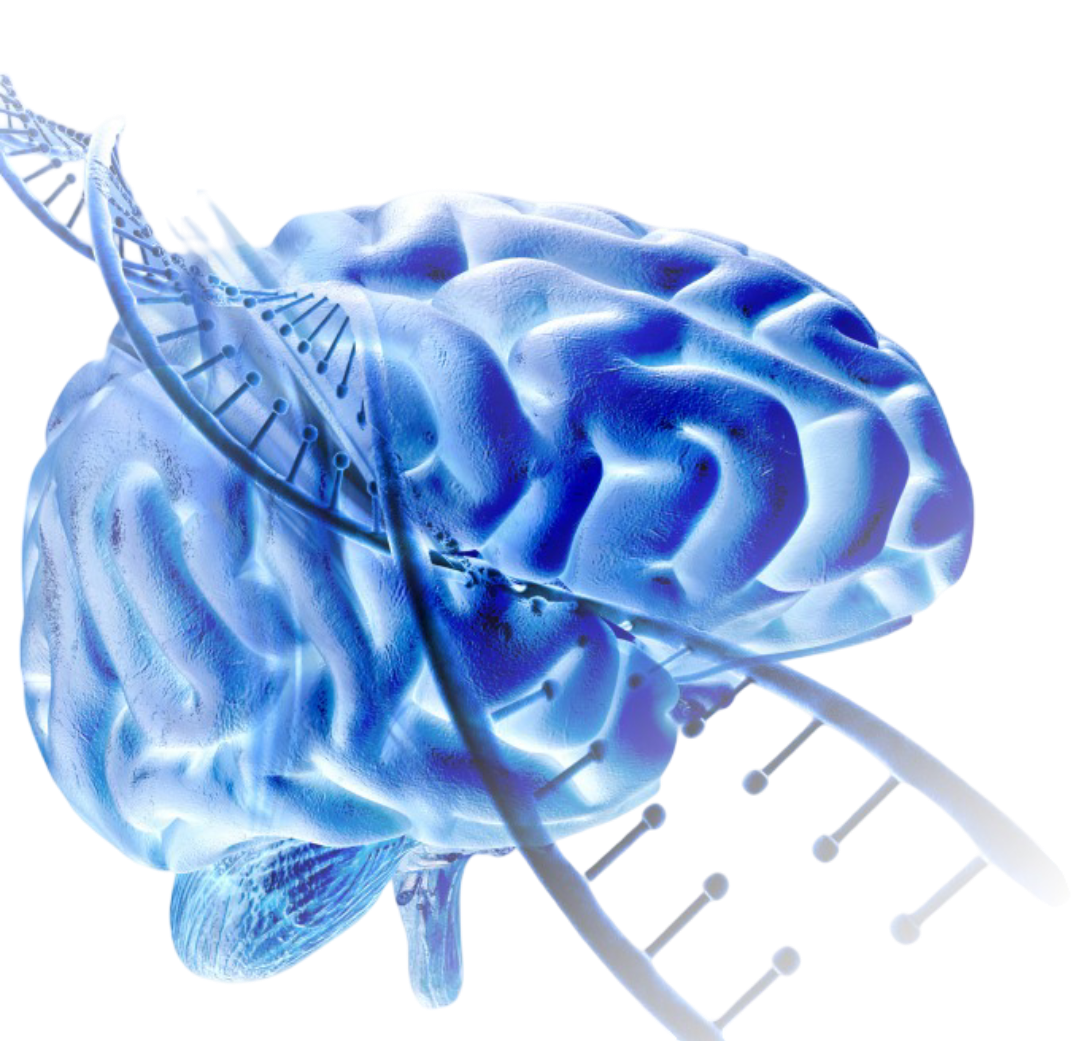
Neurofeedback is a non-invasive brain-training approach that helps the brain self-regulate. For PTSD, we target networks involved in alarm and safety: the amygdala (danger response), prefrontal cortex (control and inhibition), and hippocampus (memory and context). The goal: help the nervous system exit “alert mode” and regain lasting balance.
Lasting Results
Better emotional regulation, improved sleep, and sustained mental stability after the program.
Find Out If Neurofeedback Can Help You
- Clinical interview and PTSD-specific questionnaires (symptoms, sleep, avoidance, hypervigilance)
- Quantitative EEG (qEEG) to map brain activity and identify training targets (amygdala, prefrontal cortex, hippocampus)
Designed by a qualified psychologist based on your goals (reducing flashbacks, improving sleep, lowering hypervigilance)
- 12 sessions of 50 minutes per target issue
- Real-time feedback helps your brain deactivate the alarm system, promoting calmness, stability, and overall well-being.
Regular progress tracking (sleep, anxiety, hypervigilance) and protocol adjustments as needed
Scientific Evidence
Studies report:
- Significant reduction in PTSD symptoms
- ~80% decrease in relapse after 30 sessions (Peniston & Kulkosky, 1991)
- A 2023 meta-analysis (Akbari et al.) confirmed neurofeedback’s average remission rate of around 80% for PTSD
What to Expect During Your First Session
Starting a process to address PTSD can raise many questions. We guide you through each step with clarity and compassion.
- Meeting with a psychologist specialized in neurofeedback.
- Presentation of the method and answers to your questions related to PTSD (hypervigilance, sleep, nightmares, avoidance).
- Non-invasive measurement of brain activity (painless, with no side effects).
- Analysis of the networks involved in anxiety and hypervigilance (amygdala), prefrontal cortex, and contextual memory (hippocampus).
- Clear, accessible presentation of your assessment results.
- Establishment of priority goals (e.g., reducing nightmares/flashbacks, improving sleep onset, easing startle responses).
- A program tailored to your brain profile, pace, and other ongoing therapies (CBT, EMDR/IMO, hypnosis), and, if applicable, your medical treatment.
Garanties u0026 réassurance
A detailed qEEG report is included in your initial evaluation.
Non-invasive method, complementary to recognized approaches (CBT, EMDR/IMO, hypnosis, medication if indicated).
Team trained in PTSD support for both adults and youth.
Regular follow-ups, progressive adjustments, and attention to your comfort.
A Recognized Method Appreciated by Our Clients
At Neuroperforma, we combine clinical rigor with genuine human care. Our approach is based on objective evaluations (qEEG) and personalized protocols.
Scientific Evidence
- Significant reductions in PTSD symptoms were reported in the studies referenced by Neuroperforma.
- About an 80% reduction in relapse risk after 30 sessions, according to a study by Peniston E.G. and Kulkosky (1991).
- Neurofeedback is recognized as a relevant complementary option for complex cases alongside CBT.
Recognition & Partnerships
- Practice aligned with clinical neuroscience and neurofeedback standards.
- Member of specialized clinic networks.

FAQ – Post-Traumatic Stress Disorder and Neurofeedback
Why do some people develop PTSD and others don’t?
Several factors influence vulnerability:
- Intensity and duration of the trauma
- Personal history (mental health, past experiences)
- Availability of social support after the event
- Biological or hereditary factors
What happens in the brain during PTSD?
Three key areas are involved:
- Amygdala: the “alarm button” stays stuck in “emergency mode,” even after the danger is over.
- Prefrontal cortex: helps reason and assess reality but may become underactive.
- Hippocampus: manages memory and distinguishes past from present, but can confuse the two.
Result: the body and mind remain on alert as if the threat were still present.
What are the most common symptoms?
- Nightmares, insomnia
- Flashbacks, intrusive images
- Hypervigilance, frequent startle responses
- Anxiety, irritability
- Avoidance of places or situations reminiscent of the trauma
- Difficulty concentrating or feeling positive emotions
Is neurofeedback painful or risky?
No. It is a gentle method, painless, and with no known side effects. The sensors placed on the scalp only record brain activity.
You do not need to talk about the traumatic event or your emotions. Neurofeedback trains certain brain regions to function more efficiently, which can significantly reduce your symptoms — without having to relive what happened.
How long does it take to see results?
Improvements can be noticeable after a few weeks, but a comprehensive program typically requires 24 to 36 sessions to consolidate progress and reduce the risk of relapse.
Does neurofeedback replace psychotherapy or medication?
No — it can be complementary.
Psychotherapy works on thoughts and emotions, medication on brain chemistry, and neurofeedback on brainwave activity.
Combined, these approaches can reinforce recovery.


📊 No social proof configured yet
Add titles and content using the block settings on the right.