Background Image:

Unlock Your Full Athletic Potential – Effective Neurofeedback
Background Image:
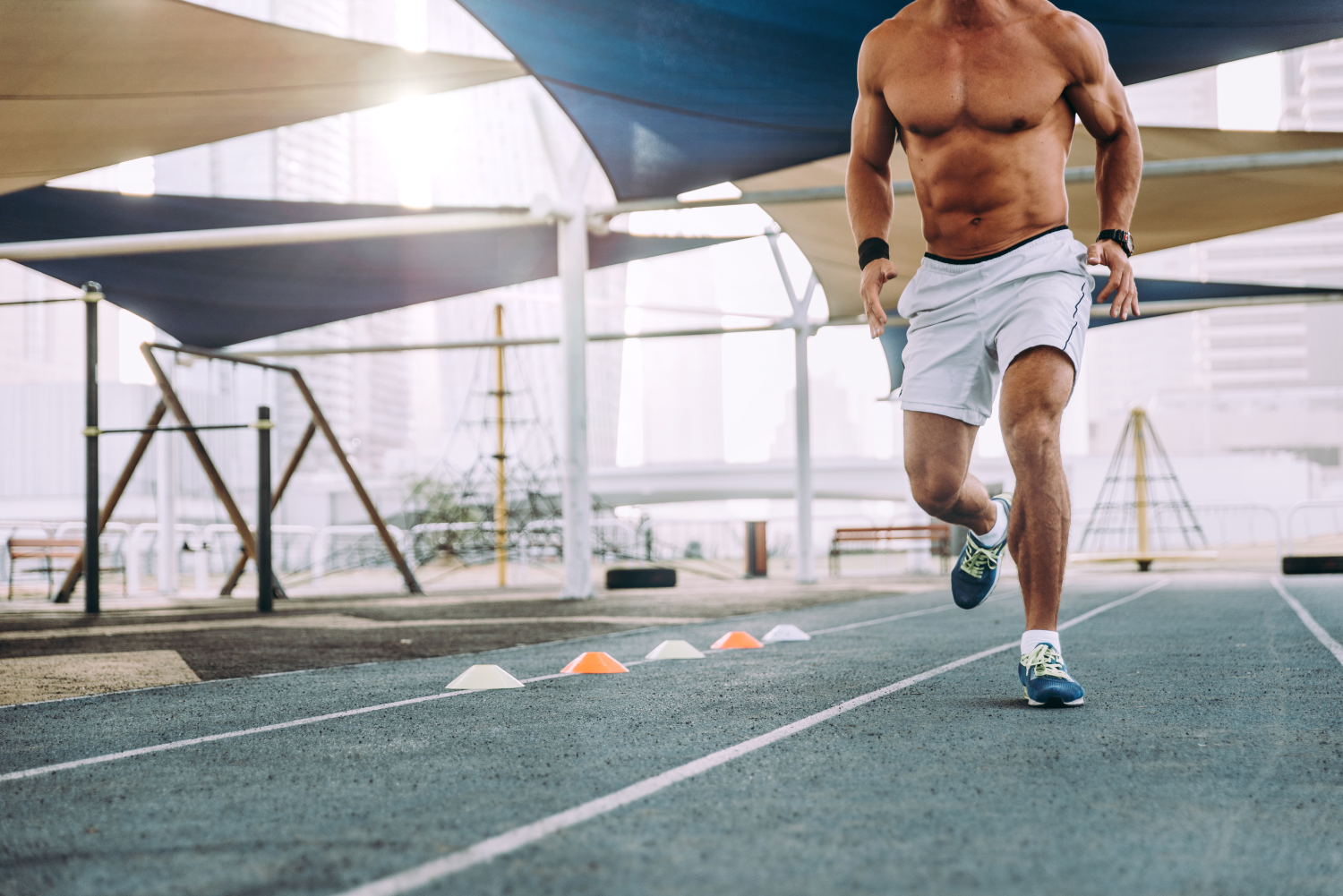
Push Your Limits with Neurofeedback
Background Image:
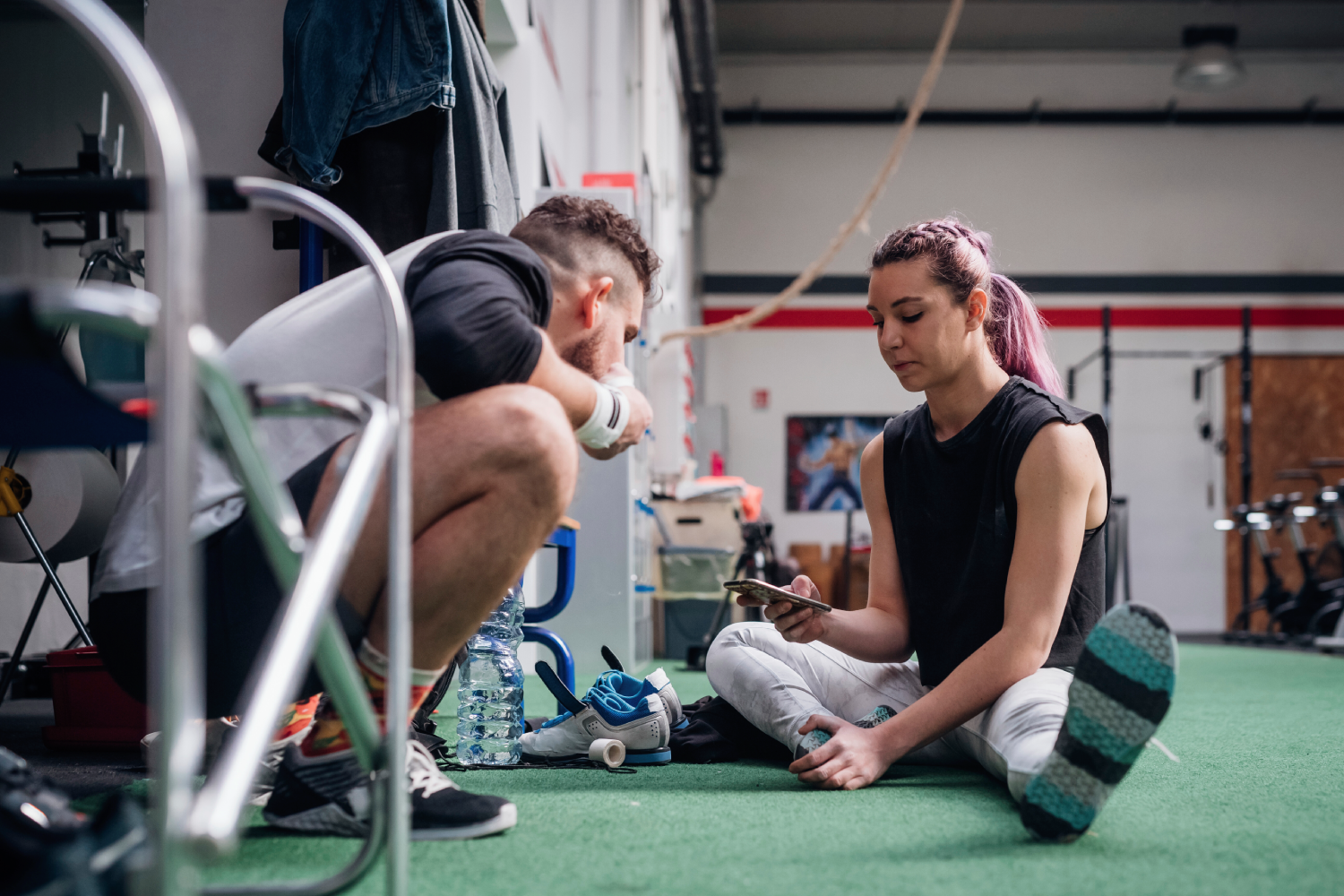
Optimize Your Physical Performance and Everyday Well-being
Background Image:
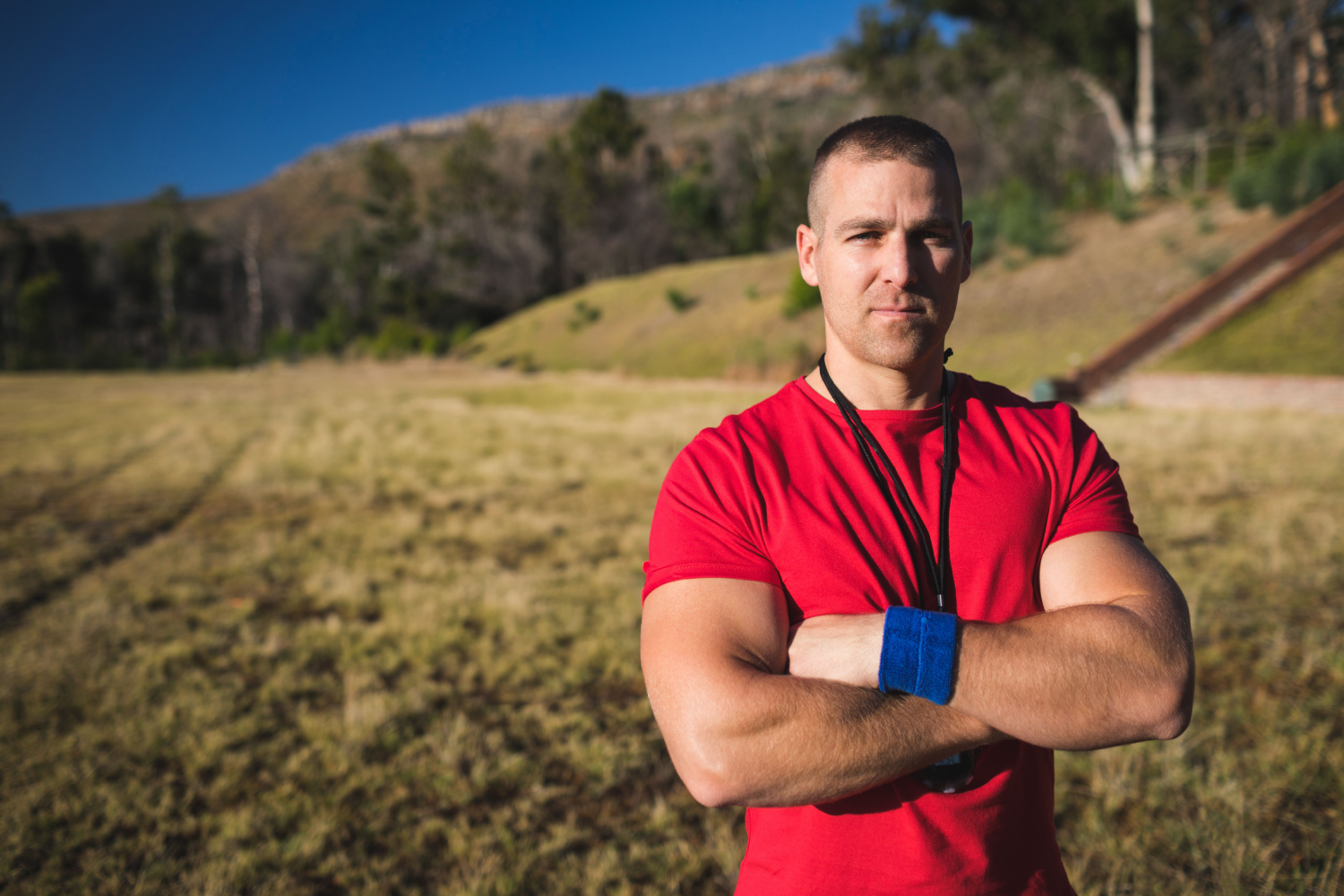
Unlock Your Athletes' Full Potential with Neurofeedback
What is Sports Performance Optimization?
Achieving excellence in sports, whether amateur or professional, depends not only on physical preparation but also on brain training. The ability to stay focused, manage stress, react quickly, and recover efficiently is a key success factor.
What Happens in the Brain: Each brain region plays a distinct role in essential functions, including attention, focus, anxiety management, sleep, and visual information processing. The brain networks to be trained vary according to the sport. For example, a hockey player needs quick reaction times and strong visual processing, while a golfer must stay calm, focused, and tune out distractions.
Common Challenges Athletes Face
Main Image:
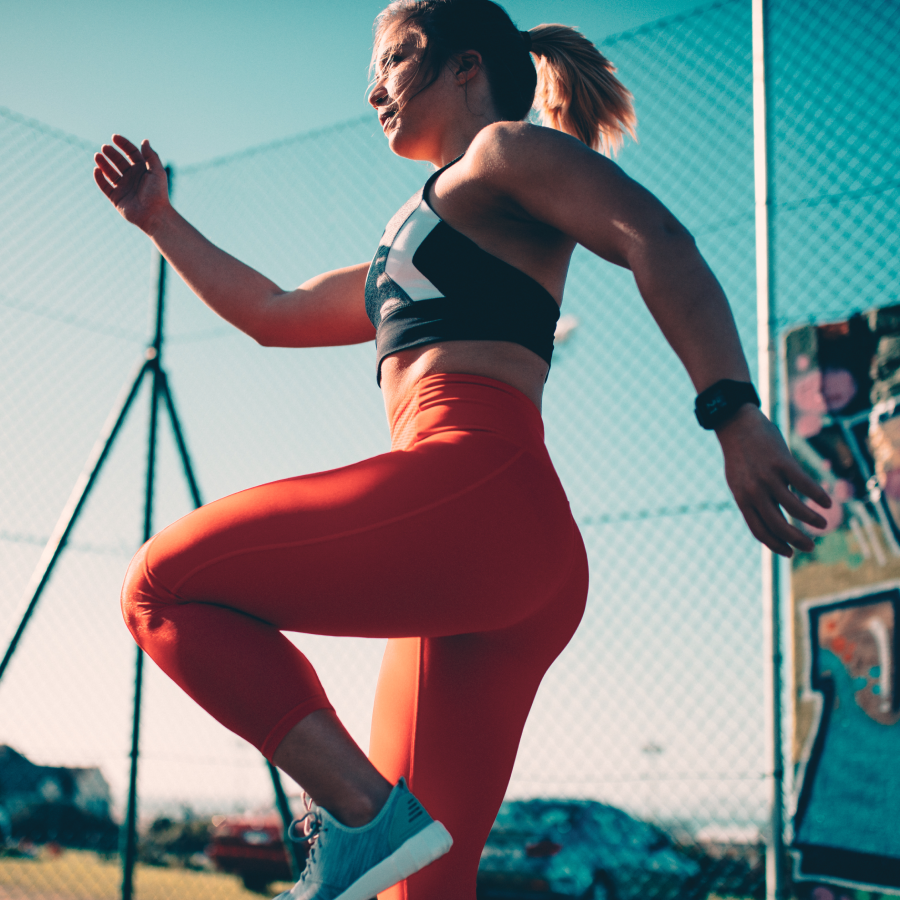
- Overtraining: Accumulated physical and mental fatigue can lead to decreased performance, stress, sleep problems, and anxiety.
- Burnout: A severe form of exhaustion similar to depression, causing loss of motivation, performance drops, and increased need for sleep.
- Performance Anxiety: High anxiety levels push athletes beyond their optimal zone, creating muscle tension and reducing reaction time and precision.
- Lack of Focus: Difficulty maintaining attention prevents athletes from performing at their best.
- Poor Recovery and Sleep: Inadequate sleep dramatically impairs focus, recovery, and reaction times.
How Neurofeedback Helps
Main Image:
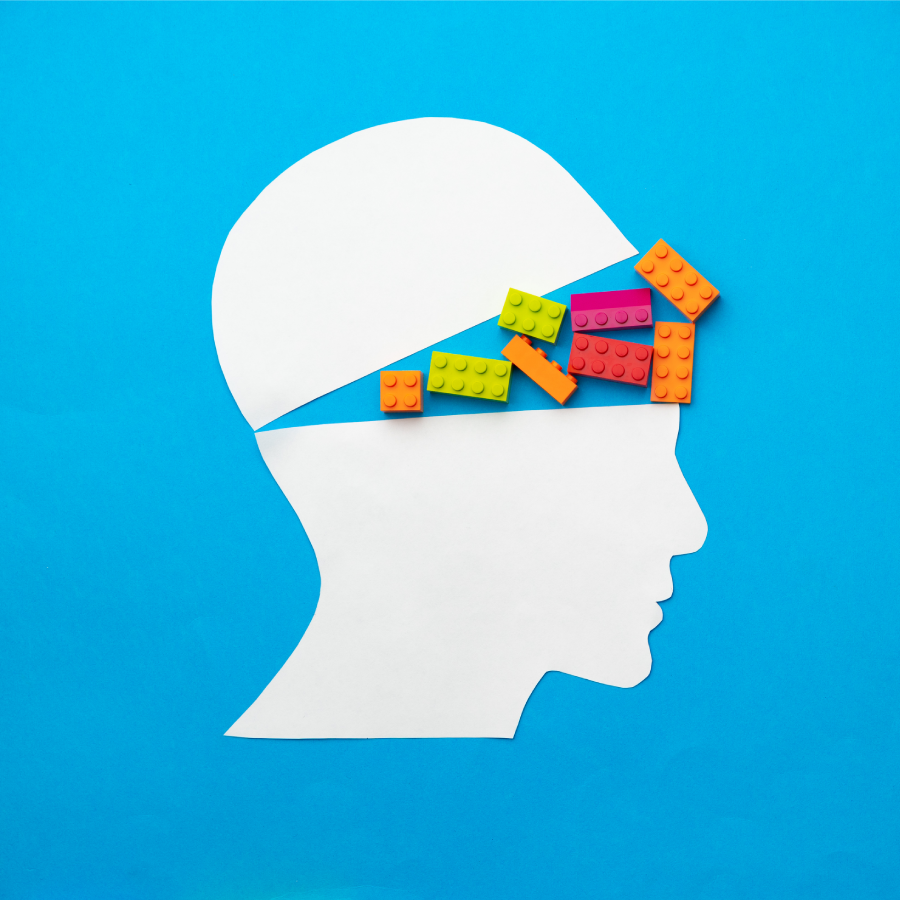
Neurofeedback is a non-invasive method that trains the brain to optimize its electrical activity. By targeting the regions and networks involved in attention, focus, visual decoding, and emotional regulation, it can sustainably reduce negative symptoms and enhance performance. The brain becomes more efficient.
Good to Know:
- Scientific Recognition: Olympic gold medalist Alexandre Bilodeau publicly stated he used Neurofeedback. Neuroperforma has trained dozens of national, international, and professional athletes across various sports, all of whom have noticed significant performance improvement.
- Personalized Approach: Brain networks are trained according to the athlete’s sport and individual profile for lasting results.
- Non-invasive Method: Neurofeedback is a painless technique with no known side effects, utilizing sensors to record brain activity.
- Complementary Method: It can be combined with other treatments such as medication, psychotherapy, or mental coaching.
Improve Your Sports Performance with Neurofeedback
Whether you’re an amateur athlete, coach, or active adult, you know that the difference often lies in the mind: focus, stress management, consistency, sleep, reaction time — the brain controls it all. The good news? Just like your muscles, your brain can be trained to perform better and more consistently.
“I’m calmer during competitions, I read situations better, and I react faster. My sleep is stable, recovery is better, and my performances are more consistent.”

Ready to reach the next level in your sport?
You train hard, but sometimes your mind holds you back. Pre-competition stress, difficulty staying focused, slow recovery. Neurofeedback can help unlock your true potential.
“Since my neurofeedback sessions, I manage competition pressure much better. I stay focused even when it really counts.”
Stay active and perform at your best daily
Between work, family, and sports activities, you seek balance. Neurofeedback helps optimize your energy, recovery, and focus to fully enjoy every moment.
“I recover better after workouts and I’m more present in everything I do. My sleep has really improved.”

Give your athletes a mental edge
As a coach, you know the difference is often made in the mind. Neurofeedback is a scientifically validated tool to improve your athletes’ focus, stress management, and reaction times.
“I’ve seen a real difference in my athletes who completed the program. They’re more consistent and handle pressure better.”

Common Athlete Challenges
Optimize Your Athletic Performance: The Essential Role of the Brain
Whether you’re a high-level athlete or an amateur sports enthusiast, you invest a lot in physical training. But to reach new heights, your mental performance and brain efficiency are equally crucial.
- Performance anxiety affecting focus and precision.
- Trouble maintaining concentration and staying focused under effort.
- Slow or inefficient reaction times.
- Poor sleep or recovery reducing performance.
- Overtraining or burnout leading to motivation and performance drops.
Image Position: Right | Icon: Heart
Amateur Athlete Challenges:
When your mind becomes your limit
- Pre-competition stress affecting your performance on game day.
- Difficulty staying in the zone during critical moments.
- Insufficient recovery between intense training sessions.
- Lack of consistency in your performances.
- Mental fatigue accumulating throughout the season.
Image Position: Right | Icon: Heart
Active Adult Challenges:
Balancing performance and daily life
- Chronic fatigue limiting your sports activities.
- Difficulty recovering after exercise.
- Poor sleep quality affecting your energy.
- Daily stress spilling over into your performance.
- Lack of motivation despite wanting to stay active.
Image Position: Right | Icon: Heart
Challenges you observe in your athletes:
When technique is no longer enough
- Inconsistent performances despite good technical training.
- Athletes cracking under pressure in competition.
- Concentration difficulties during sessions.
- Recovery issues and load management problems.
- Lack of mental resilience when facing setbacks.
Image Position: Right | Icon: Heart
How Our Neurofeedback Approach Works for Sports Performance
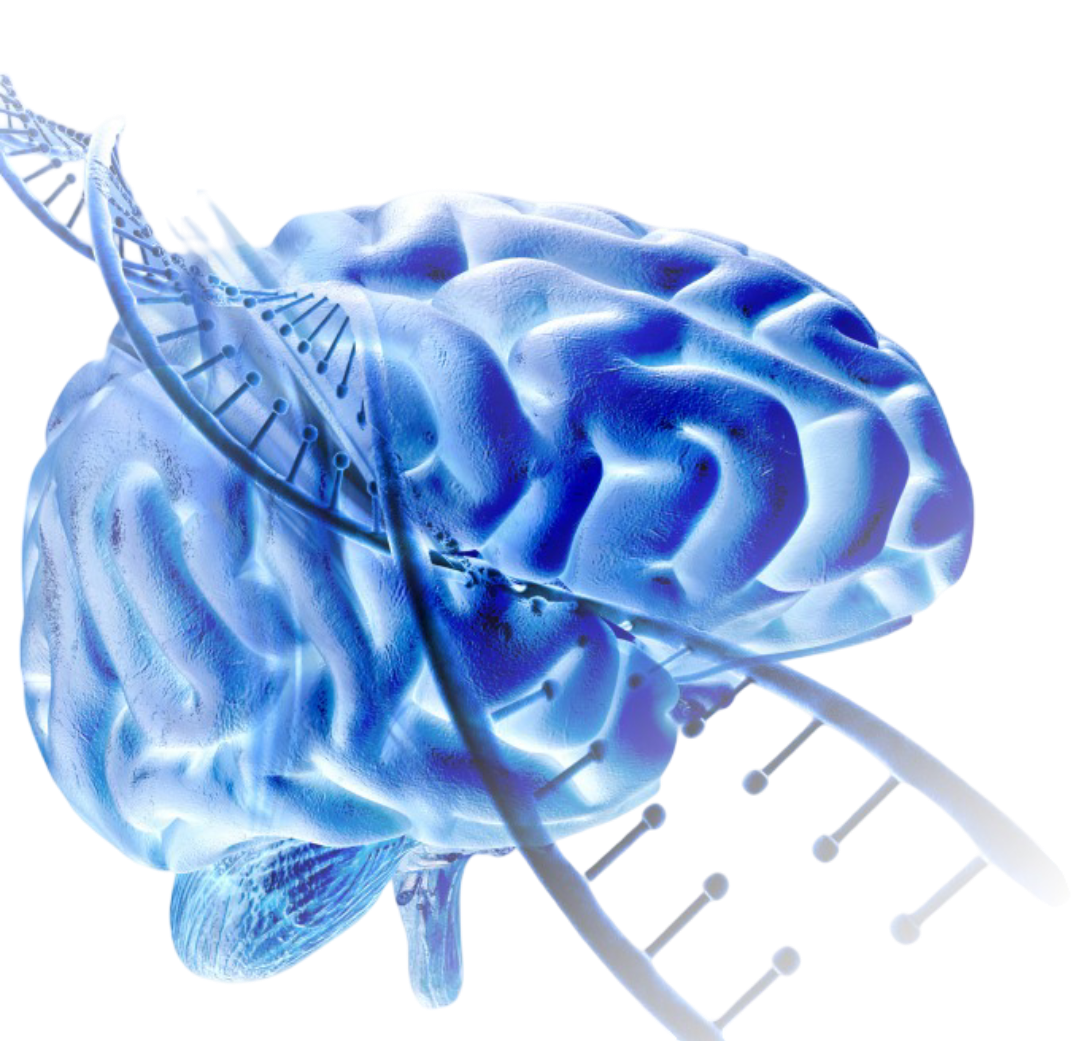
Neurofeedback is a non-invasive brain training method that optimizes the activity of networks involved in focus, stress regulation, sleep quality, and visual processing. By precisely targeting the brain circuits most relevant to your sport, you can enhance consistency, accuracy, and reaction speed — all without medication.
- Consultation with a psychologist specialized in neurofeedback (review of goals, strengths, weaknesses, and improvement areas).
- Targeted questionnaires (stress, recovery, sleep quality, focus).
- Quantitative EEG (qEEG) evaluation to map the brain networks to train.
- Designed by a specialist based on your sport, brain profile, and goals.
- Measurable objectives: focus, reaction time, sleep quality, stress management.
- 50-minute sessions with real-time feedback to regulate targeted brain networks.
- Custom neurofeedback protocols tailored to your individual needs.
- Regular monitoring of indicators: focus consistency, reaction times, sleep/recovery quality, sensations during training/competition.
- Fine-tuned adjustments depending on your training phase (pre-competition, workload, recovery).
What to Expect During Your First Session at Neuroperforma
We understand that embarking on a new performance journey can raise questions. From the very first session, we clarify your objectives and explain each step in detail.
Meeting with a professional trained in neurofeedback. Review of your sports goals, schedule, and priorities.
A non-invasive, painless, side-effect-free measurement. Analysis of key networks: attention/concentration, stress/sleep, visual processing.
Clear, concrete feedback. Prioritization of key goals (e.g., end-of-game focus, performance anxiety management, reaction speed, decision-making).
Frequency, duration, and monitoring indicators adapted to your sport and competition calendar.
What's Included
A detailed qEEG assessment is included in your initial evaluation.
A non-invasive method that complements physical training, mental preparation, and nutrition.
Regular follow-ups with adjustments based on training load and competition periods.
A Proven and Recognized Method
Our approach combines scientific rigor with real-world athletic experience. Data from Neuroperforma and clinical practice both show that a well-regulated brain performs more efficiently.
Scientific Evidence and Field Observations
- Focus: Training attention networks helps athletes stay concentrated longer with less fatigue.
- Stress & Sleep: Calming overactive brain regions reduces anxiety, improves sleep quality and recovery — crucial for preventing overtraining.
- Reaction Speed: Measurable improvements of over 30% in reaction times observed in some athletes after training.
- Public Testimonials: High-level athletes have openly discussed using neurofeedback (e.g., Maxime Deschamps, 2024 World Figure Skating Champion; Alexandre Bilodeau, double Olympic medalist in freestyle skiing).
- Neuroperforma Experience: Dozens of national, international, and professional athletes (hockey, football, soccer, figure skating, tennis, boxing, fencing, judo, motorsports) have improved their performance through neurofeedback, with 100% reporting measurable gains.
- Scientific Meta-Analysis: A 2022 meta-analysis published in Frontiers in Human Neuroscience (Brito et al., 2022) demonstrated an average 20–35% improvement in reaction times and 15–30% gains in attention and decision-making abilities among athletes who underwent neurofeedback training.
Recognition & Applications
- Used in conjunction with physical training, mental preparation, nutrition, and recovery.
- Protocols tailored to each discipline, position, and phase of the season (pre-season, in-season, taper).
- Officially recognized by the Order of Psychologists of Quebec as a valid technique used by psychologists.

FAQ – Neurofeedback & Sports Performance
What is neurofeedback for sports performance?
Neurofeedback is a method athletes use to train their brains and reach new levels of performance. It optimizes the functioning of specific brain regions, which vary depending on the sport.
How can neurofeedback improve my focus during sports performance?
It directly trains the brain regions responsible for attention and focus, helping you stay in the zone for longer periods — no matter your sport.
Can neurofeedback help me manage performance-related stress and anxiety?
Absolutely. High anxiety levels can harm performance by increasing muscle tension and reducing precision and reaction speed. Neurofeedback helps calm hyperactive brain regions, reducing anxiety and improving emotional regulation.
Can neurofeedback actually improve my reaction times?
Yes. According to a 2022 meta-analysis in Frontiers in Human Neuroscience (Brito et al., 2022), athletes experienced 20–35% faster reaction times and 15–30% improvements in attention and decision-making following neurofeedback training.
How does neurofeedback influence sleep and recovery in athletes?
Poor sleep drastically reduces focus, recovery, and reaction time. Neurofeedback calms overactive brain regions, helping reduce insomnia and improve sleep quality. Better sleep means better concentration, faster muscle recovery, and overall improved performance.


📊 No social proof configured yet
Add titles and content using the block settings on the right.